Buy bhkw.eu ?
We are moving the project
bhkw.eu .
Are you interested in purchasing the domain
bhkw.eu ?
domain@kv-gmbh.de · 0541-91531010
Buy bhkw.eu ?
What is the efficiency of combustion power plants?
The efficiency of combustion power plants can vary depending on the type of fuel used and the technology employed. Generally, modern combustion power plants can achieve efficiencies ranging from 30% to 40%. This means that only 30-40% of the energy content of the fuel is converted into electricity, while the rest is lost as waste heat. Efforts are being made to improve the efficiency of combustion power plants through advancements in technology and the use of combined heat and power systems. **
What is the difference between combustion energy and combustion enthalpy?
Combustion energy refers to the total energy released during a combustion reaction, including both the heat and light energy. It is the total amount of energy released when a substance undergoes combustion. On the other hand, combustion enthalpy refers to the heat energy released during a combustion reaction at constant pressure. It is the heat change that occurs during the combustion process. In summary, combustion energy includes all forms of energy released during combustion, while combustion enthalpy specifically refers to the heat energy released at constant pressure. **


Similar search terms for Combustion
Top-Angebote
Products related to Combustion:
-
Sauermann Si-CA 130 Elite Combustion Flue Gas AnalyserSauermann Si-CA 130 Elite Combustion Flue Gas Analyser Multi-Gas Combustion Analysis for Residential & Commercial Systems The Sauermann Si-CA 130 Elite is an advanced combustion flue gas analyser in a compact, ergonomic package, built for residential and commercial gas system monitoring. The base unit ships with two field-replaceable sensors — O₂ and CO (up to 8,000 ppm) — with NO or low-range NO available to add a third sensor for accurate NOx measurement, including in low NOx or high moisture environments. Built-in diagnostics such as sensor life indicators and calibration reminders help minimise downtime. The analyser calculates CO₂ percentage, combustion efficiency and excess air, and measures draft and differential pressure. It also monitors CO and CO₂ in ambient air, giving a combined safety and performance tool for combustion e772,44 £*Shipping: 0,00 £Secure redirect to the provider
-
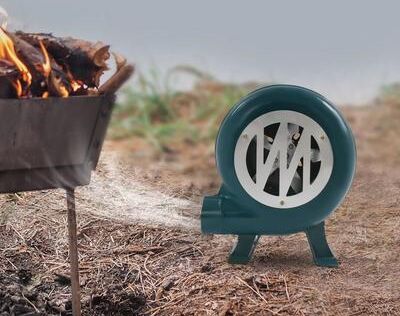
All Categories Goods Combustion Blower Adjustable Speed Stove Blower Fan For BBQ Forge Furnace Combustion Blower Adjustable Speed Stove Blower Fan For BBQ Forge FurnaceBring stronger, steadier airflow to every firestarting task. This stove blower fan helps boost combustion for home stoves, BBQ setups, small furnaces, and workshop forge use. Designed with adjustable speed control, it lets you finetune airflow...149,97 $*Shipping: 0,00 $Secure redirect to the provider
-
Sauermann Si-CA 130 Elite Combustion Flue Gas Analyser - Printer KitSauermann Si-CA 130 Elite Combustion Flue Gas Analyser – Printer Kit Multi-Gas Combustion Analysis for Residential & Commercial Systems The Sauermann Si-CA 130 Elite Printer Kit is an advanced combustion flue gas analyser in a compact, ergonomic package, built for residential and commercial gas system monitoring. The base unit ships with two field-replaceable sensors — O₂ and CO (up to 8,000 ppm) — with NO or low-range NO available to add a third sensor for accurate NOx measurement, including in low NOx or high moisture environments. Built-in diagnostics such as sensor life indicators and calibration reminders help minimise downtime. The analyser calculates CO₂ percentage, combustion efficiency and excess air, and measures draft and differential pressure. It also monitors CO and CO₂ in ambient air, giving a combined safety and perfo893,35 £*Shipping: 0,00 £Secure redirect to the provider
-
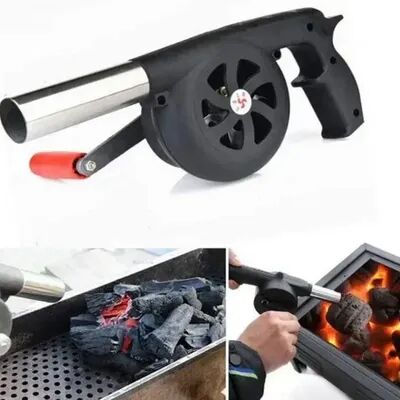
KitchenNation Outdoor Portable Hand Blower, Household Barbecue Charcoal Combustion Blower, BBQ Tools, Camping Barbecue Fan 1 PcEnhance your grilling experience with the Outdoor Portable Hand Blowerthe essential BBQ tool designed for effortless charcoal combustion. Whether you're hosting a family barbecue, camping trip, or just enjoying a casual outdoor meal, this barbecue...27,97 $*Shipping: 0,00 $Secure redirect to the provider


-
Which power plants produce no combustion byproducts?
Hydropower plants and wind power plants produce no combustion byproducts. Hydropower plants generate electricity by harnessing the energy of flowing water, while wind power plants generate electricity using the kinetic energy of the wind. Both of these methods do not involve the combustion of fossil fuels, so they do not produce any combustion byproducts such as carbon dioxide, sulfur dioxide, or nitrogen oxides. This makes them cleaner and more environmentally friendly sources of electricity. **
-
What is the efficiency of a coal power plant compared to an internal combustion engine in a car?
The efficiency of a coal power plant is typically around 33-40%, while the efficiency of an internal combustion engine in a car is around 20-30%. This means that a coal power plant is generally more efficient at converting the energy in coal into electricity than an internal combustion engine is at converting the energy in gasoline into mechanical energy to power a car. However, it's important to note that both coal power plants and internal combustion engines are sources of greenhouse gas emissions, and efforts are being made to improve the efficiency and reduce the environmental impact of both technologies. **
-
What is combustion?
Combustion is a chemical reaction that occurs when a substance reacts with oxygen to produce heat and light. This reaction typically involves the rapid oxidation of a fuel source, such as wood, gasoline, or natural gas. Combustion is a key process in many everyday activities, such as burning fuel for transportation, heating homes, and cooking food. It is also a major source of energy production in power plants and engines. **
-
What is the difference between complete combustion and incomplete combustion?
Complete combustion occurs when a fuel burns in the presence of sufficient oxygen, resulting in the production of carbon dioxide and water as the only byproducts. In contrast, incomplete combustion happens when there is insufficient oxygen present during the burning process, leading to the formation of carbon monoxide, carbon particles, and other harmful pollutants in addition to carbon dioxide and water. Complete combustion is more efficient and cleaner, while incomplete combustion is less efficient and produces more pollutants. **

What is produced during the combustion of a combustion engine?
During the combustion of a combustion engine, the primary products produced are carbon dioxide (CO2) and water (H2O). Additionally, small amounts of other gases such as carbon monoxide (CO), nitrogen oxides (NOx), and unburned hydrocarbons may also be produced. These emissions contribute to air pollution and have environmental impacts. Efforts are being made to reduce these emissions through the use of cleaner fuels and more efficient engine designs. **
Can you mix the fuel for an RC combustion engine yourself?
Yes, you can mix the fuel for an RC combustion engine yourself. It typically involves mixing methanol, nitromethane, and oil in specific ratios to ensure proper engine performance and longevity. It is important to follow the manufacturer's recommendations for fuel mixture ratios to avoid damaging the engine. Additionally, using high-quality ingredients and measuring accurately is crucial for optimal engine performance. **
Top-Angebote
Products related to Combustion:
-
Kane KMCP35 Combustion Flexi Probe (CP35)Kane KMCP35 Combustion Flexi Probe (CP35) The Kane CP35 is a combustion probe with a flexible shaft and integral thermocouple, designed to reach awkward access points and test spots where a conventional solid probe won't fit. It has a 300mm flexible shaft, 8mm diameter, and a 1m neoprene hose. This probe is a direct accessory for Kane's 258 and 458s gas analysers. For other Kane models, the Kane SM11103 adapter is needed to ensure compatibility. Key Features & Benefits 300mm Flexible Shaft: Reaches difficult access points a rigid probe can't get into. 8mm Diameter: Slim design for insertion into various flue types. Integral Thermocouple: Simultaneous temperature measurement alongside combustion gas sampling.214,80 £*Shipping: 0,00 £Secure redirect to the provider
-
Sauermann Si-CA 030 Combustion Flue Gas Analyser - KIT2ACSauermann Si-CA 030 Combustion Flue Gas Analyser – KIT2AC The Sauermann Si-CA 030 is a compact combustion flue gas analyser built for heating engineers, gas installers and HVAC technicians carrying out boiler servicing, emissions monitoring and combustion efficiency testing on residential and commercial heating systems. It supports up to three gas sensors — O₂, CO (up to 8,000 ppm), and an optional NO sensor for calculating NOx — giving a comprehensive picture of combustion through CO₂ percentage, combustion efficiency, excess air and draft pressure. The colour display connects wirelessly to a phone via the Sauermann Combustion app, which allows remote control of the analyser, real-time monitoring, data logging and automatic report generation in PDF or CSV formats. Built for field use, the analyser weighs just 350g and comes with a445,13 £*Shipping: 0,00 £Secure redirect to the provider
-
Sauermann Si-CA 130 Elite Combustion Flue Gas AnalyserSauermann Si-CA 130 Elite Combustion Flue Gas Analyser Multi-Gas Combustion Analysis for Residential & Commercial Systems The Sauermann Si-CA 130 Elite is an advanced combustion flue gas analyser in a compact, ergonomic package, built for residential and commercial gas system monitoring. The base unit ships with two field-replaceable sensors — O₂ and CO (up to 8,000 ppm) — with NO or low-range NO available to add a third sensor for accurate NOx measurement, including in low NOx or high moisture environments. Built-in diagnostics such as sensor life indicators and calibration reminders help minimise downtime. The analyser calculates CO₂ percentage, combustion efficiency and excess air, and measures draft and differential pressure. It also monitors CO and CO₂ in ambient air, giving a combined safety and performance tool for combustion e772,44 £*Shipping: 0,00 £Secure redirect to the provider
-
All Categories Goods Combustion Blower Adjustable Speed Stove Blower Fan For BBQ Forge Furnace Combustion Blower Adjustable Speed Stove Blower Fan For BBQ Forge FurnaceBring stronger, steadier airflow to every firestarting task. This stove blower fan helps boost combustion for home stoves, BBQ setups, small furnaces, and workshop forge use. Designed with adjustable speed control, it lets you finetune airflow...149,97 $*Shipping: 0,00 $Secure redirect to the provider
-
What is the efficiency of combustion power plants?
The efficiency of combustion power plants can vary depending on the type of fuel used and the technology employed. Generally, modern combustion power plants can achieve efficiencies ranging from 30% to 40%. This means that only 30-40% of the energy content of the fuel is converted into electricity, while the rest is lost as waste heat. Efforts are being made to improve the efficiency of combustion power plants through advancements in technology and the use of combined heat and power systems. **
-
What is the difference between combustion energy and combustion enthalpy?
Combustion energy refers to the total energy released during a combustion reaction, including both the heat and light energy. It is the total amount of energy released when a substance undergoes combustion. On the other hand, combustion enthalpy refers to the heat energy released during a combustion reaction at constant pressure. It is the heat change that occurs during the combustion process. In summary, combustion energy includes all forms of energy released during combustion, while combustion enthalpy specifically refers to the heat energy released at constant pressure. **
-
Which power plants produce no combustion byproducts?
Hydropower plants and wind power plants produce no combustion byproducts. Hydropower plants generate electricity by harnessing the energy of flowing water, while wind power plants generate electricity using the kinetic energy of the wind. Both of these methods do not involve the combustion of fossil fuels, so they do not produce any combustion byproducts such as carbon dioxide, sulfur dioxide, or nitrogen oxides. This makes them cleaner and more environmentally friendly sources of electricity. **
-
What is the efficiency of a coal power plant compared to an internal combustion engine in a car?
The efficiency of a coal power plant is typically around 33-40%, while the efficiency of an internal combustion engine in a car is around 20-30%. This means that a coal power plant is generally more efficient at converting the energy in coal into electricity than an internal combustion engine is at converting the energy in gasoline into mechanical energy to power a car. However, it's important to note that both coal power plants and internal combustion engines are sources of greenhouse gas emissions, and efforts are being made to improve the efficiency and reduce the environmental impact of both technologies. **
Similar search terms for Combustion
-
Sauermann Si-CA 130 Elite Combustion Flue Gas Analyser - Printer KitSauermann Si-CA 130 Elite Combustion Flue Gas Analyser – Printer Kit Multi-Gas Combustion Analysis for Residential & Commercial Systems The Sauermann Si-CA 130 Elite Printer Kit is an advanced combustion flue gas analyser in a compact, ergonomic package, built for residential and commercial gas system monitoring. The base unit ships with two field-replaceable sensors — O₂ and CO (up to 8,000 ppm) — with NO or low-range NO available to add a third sensor for accurate NOx measurement, including in low NOx or high moisture environments. Built-in diagnostics such as sensor life indicators and calibration reminders help minimise downtime. The analyser calculates CO₂ percentage, combustion efficiency and excess air, and measures draft and differential pressure. It also monitors CO and CO₂ in ambient air, giving a combined safety and perfo893,35 £*Shipping: 0,00 £Secure redirect to the provider
-
KitchenNation Outdoor Portable Hand Blower, Household Barbecue Charcoal Combustion Blower, BBQ Tools, Camping Barbecue Fan 1 PcEnhance your grilling experience with the Outdoor Portable Hand Blowerthe essential BBQ tool designed for effortless charcoal combustion. Whether you're hosting a family barbecue, camping trip, or just enjoying a casual outdoor meal, this barbecue...27,97 $*Shipping: 0,00 $Secure redirect to the provider
-
DuroMax 5500 Watt Dual Fuel Gasoline/Propane Portable GeneratorThe DuroMax XP5500HX Generator delivers the most power with 5500 watts and a 210cc OHV engine ideal for use during a power outage or emergency event. This Duromax 5500 generator is designed for camping RVs tailgating and common household items like...629,00 $*Shipping: 0,00 $Secure redirect to the provider
-
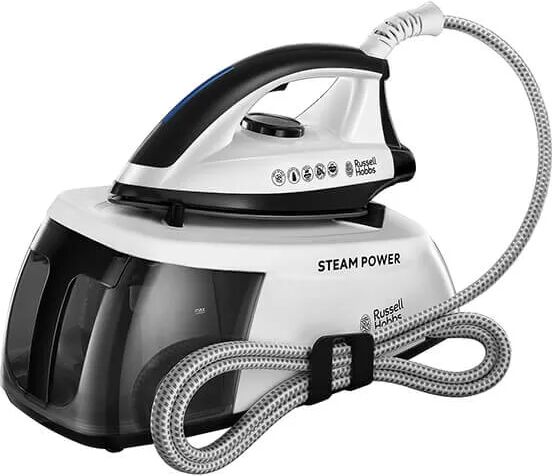
Russell Hobbs Steam Power Steam Generator in BlackRussell Hobbs Steam Power Steam Generator in Black lets you effortlessly speed through large laundry piles in no time. The special calc cleaning system is designed to filter and purify the water as it goes into the tank keeping it clean and as good as new. The iron features a stainless steel non-stick soleplate for a smooth and easy glide through wrinkles and creases. Combined with the impressive 90g steam output it can handle most fabrics that need a little moisture to smooth out tough creases. The steam generator heats up in a speedy 1 minute and provides a 4.5 bar of pressure. The Russell Hobbs Steam Power Steam Generator in Black comes complete with a 2 years manufacturers guarantee.65,95 £*Shipping: 0,00 £Secure redirect to the provider
-
What is combustion?
Combustion is a chemical reaction that occurs when a substance reacts with oxygen to produce heat and light. This reaction typically involves the rapid oxidation of a fuel source, such as wood, gasoline, or natural gas. Combustion is a key process in many everyday activities, such as burning fuel for transportation, heating homes, and cooking food. It is also a major source of energy production in power plants and engines. **
-
What is the difference between complete combustion and incomplete combustion?
Complete combustion occurs when a fuel burns in the presence of sufficient oxygen, resulting in the production of carbon dioxide and water as the only byproducts. In contrast, incomplete combustion happens when there is insufficient oxygen present during the burning process, leading to the formation of carbon monoxide, carbon particles, and other harmful pollutants in addition to carbon dioxide and water. Complete combustion is more efficient and cleaner, while incomplete combustion is less efficient and produces more pollutants. **
-
What is produced during the combustion of a combustion engine?
During the combustion of a combustion engine, the primary products produced are carbon dioxide (CO2) and water (H2O). Additionally, small amounts of other gases such as carbon monoxide (CO), nitrogen oxides (NOx), and unburned hydrocarbons may also be produced. These emissions contribute to air pollution and have environmental impacts. Efforts are being made to reduce these emissions through the use of cleaner fuels and more efficient engine designs. **
-
Can you mix the fuel for an RC combustion engine yourself?
Yes, you can mix the fuel for an RC combustion engine yourself. It typically involves mixing methanol, nitromethane, and oil in specific ratios to ensure proper engine performance and longevity. It is important to follow the manufacturer's recommendations for fuel mixture ratios to avoid damaging the engine. Additionally, using high-quality ingredients and measuring accurately is crucial for optimal engine performance. **
* All prices are inclusive of VAT and, if applicable, plus shipping costs. The offer information is based on the details provided by the respective shop and is updated through automated processes. Real-time updates do not occur, so deviations can occur in individual cases. ** Note: Parts of this content were created by AI.