Buy bhkw.eu ?
We are moving the project
bhkw.eu .
Are you interested in purchasing the domain
bhkw.eu ?
domain@kv-gmbh.de · 0541-91531010
Buy bhkw.eu ?
Does precipitation occur?
Yes, precipitation occurs when water droplets or ice crystals fall from the atmosphere and reach the Earth's surface. This can happen in the form of rain, snow, sleet, or hail, depending on the temperature and atmospheric conditions. Precipitation is a key part of the Earth's water cycle and is essential for providing water to plants, animals, and human populations. **
What are precipitation fluctuations?
Precipitation fluctuations refer to the variations in the amount and intensity of precipitation over a specific time period. These fluctuations can include changes in the frequency of rainfall events, the duration of precipitation, and the amount of rainfall received. Precipitation fluctuations can have significant impacts on ecosystems, agriculture, water resources, and weather patterns. Understanding and monitoring these fluctuations is important for predicting and adapting to changes in climate and weather patterns. **
Similar search terms for Precipitation
Top-Angebote
Products related to Precipitation:
-
ENERGY G10010 Fuel pumpVoltage [V]: 12; Fitting Position: in the fuel tank; Diameter: 39; Operating Mode: Electric; Fuel Type: Diesel; Flow rate [l/h]: 160; Supplementary Article / Supplementary Info Info 2: with filter; Weight [kg]: 0,39; Diameter 1 [mm]: 8; Diameter 2 [mm]: 22; Operating Pressure [bar]: 2; Number of inlets/outlets: 1/1; Length 1 [mm]: 80; Length 2 [mm]: 127; Always compare old and new part (in particular OE No.): ; Construction Year to: 06/2001, 11/2002, 08/2002, 11/2004; Construction Year from: 06/2000, 07/200026,99 £*Shipping: 8,45 £Secure redirect to the provider
-
ENERGY G10066 Fuel pumpVoltage [V]: 12; Fitting Position: in the fuel tank; Diameter: 43; Operating Mode: Electric; Fuel Type: Petrol; Flow rate [l/h]: 120; Injection System: Multi Point Injection (MPI); Supplementary Article / Supplementary Info Info 2: with filter; Weight [kg]: 0,56; Diameter 1 [mm]: 8; Diameter 2 [mm]: 12; Operating Pressure [bar]: 3; Number of inlets/outlets: 1/1; Length 1 [mm]: 97; Length 2 [mm]: 147; Always compare old and new part (in particular OE No.): ; Vehicle Identification Number (VIN) from: P1000001, S1008893, K1000099, 11000001; Construction Year to: 02/1992, 12/1989, 02/1998, 08/2000, 12/1995, 12/1987, 06/2000, 03/1994, 08/1999, 01/2004; Construction Year from: 01/1988, 09/2000, 09/1989, 09/1994; Vehicle Identification Number (VIN) to: Y3010332, X1093313, X1166419, X1167719, Y2042870; TecDoc Engine Number: 5284, 4820, 15850; not for engine code: Z 14 XE; not for TECDOC engine number: 14923, 1304828,99 £*Shipping: 8,45 £Secure redirect to the provider
-
ENERGY KP00001 Fuel capMaterial: Plastic; Lock System: with lock, with two keys; Lockable: Lockable; TecDoc Engine Number: 224, 3994, 4140, 4963, 4989, 4979, 4011, 4980, 4975, 11354, 3942, 9384, 3576, 12513, 5532, 3574, 12515, 18752, 13775, 241, 13776, 13929, 13949, 4199, 15335, 13950, 12848, 15611, 9451, 9450, 4988, 13930, 13931, 9516, 4197, 13932, 5536, 9893, 3915, 5528, 5527, 5531, 5534, 5535, 15496, 5533, 15488, 15490, 15489, 9453, 13771, 13772, 12028, 13954, 13928, 9688; Comfort Equipment Variant (trim package): for vehicles without central locking5,99 £*Shipping: 8,45 £Secure redirect to the provider
-
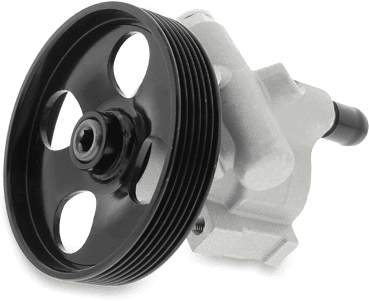
ENERGY PW6705 Power steering pumpPressure [bar]: 80; Operating Mode: hydraulic; Material: Aluminium; Valve Type: Pressure Limiting Valve; Pulleys: without belt pulley; Rotation Direction: Clockwise rotation; Number of inlets/outlets: 1; Pump Type: Vane Pump; Weight [kg]: 2,14; Always compare old and new part (in particular OE No.):145,99 £*Shipping: 1,99 £Secure redirect to the provider


-
Why does precipitation form?
Precipitation forms when water vapor in the atmosphere condenses into liquid or solid water droplets and falls to the Earth's surface. This condensation occurs when warm, moist air rises and cools, causing the water vapor to condense around tiny particles in the air, such as dust or salt. The condensed water droplets then come together to form clouds, and when they become heavy enough, they fall to the ground as precipitation in the form of rain, snow, sleet, or hail. **
-
What is the precipitation amplitude?
Precipitation amplitude refers to the range of variation in the amount of precipitation that falls in a specific area over a given period of time. It is a measure of how much the precipitation levels fluctuate, from low to high, during a certain time frame. Understanding precipitation amplitude is important for assessing the variability in weather patterns and the potential impact on ecosystems, agriculture, and water resources in a region. By analyzing precipitation amplitude, scientists and meteorologists can better predict and prepare for extreme weather events such as droughts or heavy rainfall. **
-
What is a precipitation radar?
A precipitation radar is a type of weather radar that is specifically designed to detect and measure the intensity of precipitation in the atmosphere. It uses radio waves to determine the location, movement, and intensity of rain, snow, sleet, or hail within a certain area. This information is important for weather forecasting, as it helps meteorologists track and predict the movement of storms and precipitation patterns. Precipitation radars are commonly used in meteorology, aviation, and hydrology to monitor and study precipitation events. **
-
What is the precipitation task?
The precipitation task refers to the measurement and prediction of the amount of water, in the form of rain, snow, sleet, or hail, that falls from the atmosphere to the Earth's surface. This task involves collecting data on precipitation patterns, analyzing historical records, and using various models and techniques to forecast future precipitation. Precipitation is a critical component of the Earth's water cycle and has significant impacts on agriculture, water resources, and natural ecosystems. Therefore, accurate prediction and understanding of precipitation patterns are essential for various sectors and industries. **
Where does the precipitation come from?
Precipitation comes from the condensation of water vapor in the atmosphere. When warm, moist air rises and cools, the water vapor in the air condenses into tiny water droplets or ice crystals, forming clouds. As these droplets or crystals grow larger and heavier, they eventually fall to the ground as precipitation in the form of rain, snow, sleet, or hail. This process is part of the Earth's water cycle, where water is constantly moving between the atmosphere, land, and oceans. **
How can I easily measure precipitation?
One easy way to measure precipitation is by using a rain gauge. Simply place the rain gauge in an open area away from obstructions, and it will collect and measure the amount of precipitation that falls. Another method is to use a measuring stick to measure the depth of water collected in a container after a rainfall. Both of these methods provide a simple and accurate way to measure precipitation. **
Top-Angebote
Products related to Precipitation:
-
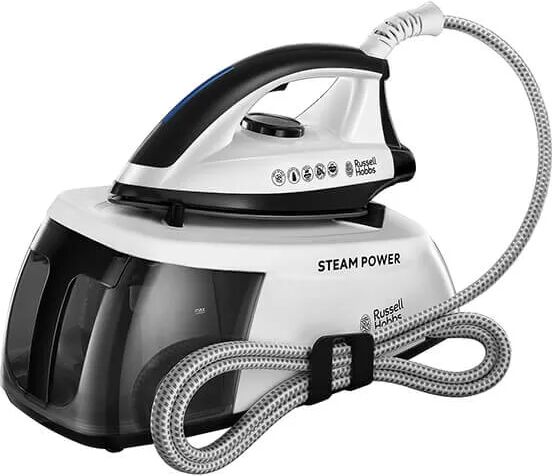
Russell Hobbs Steam Power Steam Generator in BlackRussell Hobbs Steam Power Steam Generator in Black lets you effortlessly speed through large laundry piles in no time. The special calc cleaning system is designed to filter and purify the water as it goes into the tank keeping it clean and as good as new. The iron features a stainless steel non-stick soleplate for a smooth and easy glide through wrinkles and creases. Combined with the impressive 90g steam output it can handle most fabrics that need a little moisture to smooth out tough creases. The steam generator heats up in a speedy 1 minute and provides a 4.5 bar of pressure. The Russell Hobbs Steam Power Steam Generator in Black comes complete with a 2 years manufacturers guarantee.65,95 £*Shipping: 0,00 £Secure redirect to the provider
-
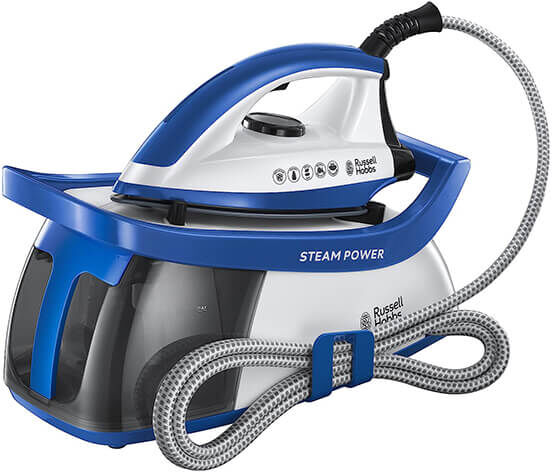
Russell Hobbs Steam Power Steam Generator in BlueRussell Hobbs Steam Power Steam Generator in blue lets you effortlessly speed through large laundry piles in no time. The special calc cleaning system is designed to filter and purify the water as it goes into the tank keeping it clean and as good as new. The iron features a durable ceramic soleplate for a smooth and easy glide through wrinkles and creases. Combined with the impressive 100g steam output it can handle most fabrics that need a little moisture to smooth out tough creases. The steam generator heats up in a speedy 1 minute and provides a 4.5 bar of pressure. There is a cord tidy and a place to store the plug for tidy and convenient storage when it is not in use. The Russell Hobbs Steam Power Steam Generator in blue comes complete with a 2 years manufacturers guarantee.84,95 £*Shipping: 0,00 £Secure redirect to the provider
-
ENERGY G10010 Fuel pumpVoltage [V]: 12; Fitting Position: in the fuel tank; Diameter: 39; Operating Mode: Electric; Fuel Type: Diesel; Flow rate [l/h]: 160; Supplementary Article / Supplementary Info Info 2: with filter; Weight [kg]: 0,39; Diameter 1 [mm]: 8; Diameter 2 [mm]: 22; Operating Pressure [bar]: 2; Number of inlets/outlets: 1/1; Length 1 [mm]: 80; Length 2 [mm]: 127; Always compare old and new part (in particular OE No.): ; Construction Year to: 06/2001, 11/2002, 08/2002, 11/2004; Construction Year from: 06/2000, 07/200026,99 £*Shipping: 8,45 £Secure redirect to the provider
-
ENERGY G10066 Fuel pumpVoltage [V]: 12; Fitting Position: in the fuel tank; Diameter: 43; Operating Mode: Electric; Fuel Type: Petrol; Flow rate [l/h]: 120; Injection System: Multi Point Injection (MPI); Supplementary Article / Supplementary Info Info 2: with filter; Weight [kg]: 0,56; Diameter 1 [mm]: 8; Diameter 2 [mm]: 12; Operating Pressure [bar]: 3; Number of inlets/outlets: 1/1; Length 1 [mm]: 97; Length 2 [mm]: 147; Always compare old and new part (in particular OE No.): ; Vehicle Identification Number (VIN) from: P1000001, S1008893, K1000099, 11000001; Construction Year to: 02/1992, 12/1989, 02/1998, 08/2000, 12/1995, 12/1987, 06/2000, 03/1994, 08/1999, 01/2004; Construction Year from: 01/1988, 09/2000, 09/1989, 09/1994; Vehicle Identification Number (VIN) to: Y3010332, X1093313, X1166419, X1167719, Y2042870; TecDoc Engine Number: 5284, 4820, 15850; not for engine code: Z 14 XE; not for TECDOC engine number: 14923, 1304828,99 £*Shipping: 8,45 £Secure redirect to the provider
-
Does precipitation occur?
Yes, precipitation occurs when water droplets or ice crystals fall from the atmosphere and reach the Earth's surface. This can happen in the form of rain, snow, sleet, or hail, depending on the temperature and atmospheric conditions. Precipitation is a key part of the Earth's water cycle and is essential for providing water to plants, animals, and human populations. **
-
What are precipitation fluctuations?
Precipitation fluctuations refer to the variations in the amount and intensity of precipitation over a specific time period. These fluctuations can include changes in the frequency of rainfall events, the duration of precipitation, and the amount of rainfall received. Precipitation fluctuations can have significant impacts on ecosystems, agriculture, water resources, and weather patterns. Understanding and monitoring these fluctuations is important for predicting and adapting to changes in climate and weather patterns. **
-
Why does precipitation form?
Precipitation forms when water vapor in the atmosphere condenses into liquid or solid water droplets and falls to the Earth's surface. This condensation occurs when warm, moist air rises and cools, causing the water vapor to condense around tiny particles in the air, such as dust or salt. The condensed water droplets then come together to form clouds, and when they become heavy enough, they fall to the ground as precipitation in the form of rain, snow, sleet, or hail. **
-
What is the precipitation amplitude?
Precipitation amplitude refers to the range of variation in the amount of precipitation that falls in a specific area over a given period of time. It is a measure of how much the precipitation levels fluctuate, from low to high, during a certain time frame. Understanding precipitation amplitude is important for assessing the variability in weather patterns and the potential impact on ecosystems, agriculture, and water resources in a region. By analyzing precipitation amplitude, scientists and meteorologists can better predict and prepare for extreme weather events such as droughts or heavy rainfall. **
Similar search terms for Precipitation
-
ENERGY KP00001 Fuel capMaterial: Plastic; Lock System: with lock, with two keys; Lockable: Lockable; TecDoc Engine Number: 224, 3994, 4140, 4963, 4989, 4979, 4011, 4980, 4975, 11354, 3942, 9384, 3576, 12513, 5532, 3574, 12515, 18752, 13775, 241, 13776, 13929, 13949, 4199, 15335, 13950, 12848, 15611, 9451, 9450, 4988, 13930, 13931, 9516, 4197, 13932, 5536, 9893, 3915, 5528, 5527, 5531, 5534, 5535, 15496, 5533, 15488, 15490, 15489, 9453, 13771, 13772, 12028, 13954, 13928, 9688; Comfort Equipment Variant (trim package): for vehicles without central locking5,99 £*Shipping: 8,45 £Secure redirect to the provider
-
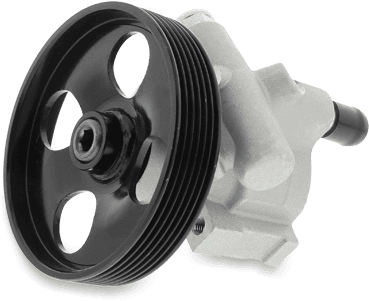
ENERGY PW6705 Power steering pumpPressure [bar]: 80; Operating Mode: hydraulic; Material: Aluminium; Valve Type: Pressure Limiting Valve; Pulleys: without belt pulley; Rotation Direction: Clockwise rotation; Number of inlets/outlets: 1; Pump Type: Vane Pump; Weight [kg]: 2,14; Always compare old and new part (in particular OE No.):145,99 £*Shipping: 1,99 £Secure redirect to the provider
-
ENERGY PW680197 Power steering pumpPressure [bar]: 100; Operating Mode: hydraulic; Material: Aluminium; Valve Type: Pressure Limiting Valve; Pulleys: without belt pulley; Rotation Direction: Clockwise rotation; Number of inlets/outlets: 1; Pump Type: Vane Pump; Mounting Points Distance [mm]: 39,5; Weight [kg]: 1,72; Operating Pressure [bar]: 100; Flow rate [l/h]: 80; Always compare old and new part (in particular OE No.): ; Construction Year from: 10/1995, 09/1995105,99 £*Shipping: 8,45 £Secure redirect to the provider
-
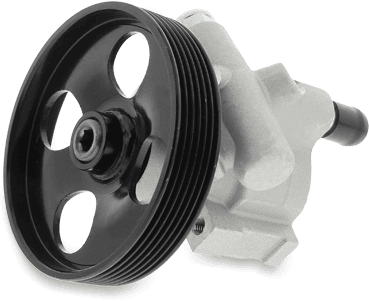
ENERGY PW680377 Power steering pumpPressure [bar]: 100; Operating Mode: hydraulic; Material: Aluminium; Valve Type: Pressure Limiting Valve; Belt Pulley Ø [mm]: 114; Pulleys: with belt pulley; Supplementary Article / Supplementary Info: with reservoir; Rotation Direction: Clockwise rotation; Number of inlets/outlets: 1; Pump Type: Vane Pump; Number of grooves: 6; Mounting Points Distance [mm]: 105; Weight [kg]: 2,54; Operating Pressure [bar]: 100; Flow rate [l/h]: 60; Always compare old and new part (in particular OE No.): ; Construction Year from: 11/2002; Construction Year to: 08/2000120,99 £*Shipping: 8,45 £Secure redirect to the provider
-
What is a precipitation radar?
A precipitation radar is a type of weather radar that is specifically designed to detect and measure the intensity of precipitation in the atmosphere. It uses radio waves to determine the location, movement, and intensity of rain, snow, sleet, or hail within a certain area. This information is important for weather forecasting, as it helps meteorologists track and predict the movement of storms and precipitation patterns. Precipitation radars are commonly used in meteorology, aviation, and hydrology to monitor and study precipitation events. **
-
What is the precipitation task?
The precipitation task refers to the measurement and prediction of the amount of water, in the form of rain, snow, sleet, or hail, that falls from the atmosphere to the Earth's surface. This task involves collecting data on precipitation patterns, analyzing historical records, and using various models and techniques to forecast future precipitation. Precipitation is a critical component of the Earth's water cycle and has significant impacts on agriculture, water resources, and natural ecosystems. Therefore, accurate prediction and understanding of precipitation patterns are essential for various sectors and industries. **
-
Where does the precipitation come from?
Precipitation comes from the condensation of water vapor in the atmosphere. When warm, moist air rises and cools, the water vapor in the air condenses into tiny water droplets or ice crystals, forming clouds. As these droplets or crystals grow larger and heavier, they eventually fall to the ground as precipitation in the form of rain, snow, sleet, or hail. This process is part of the Earth's water cycle, where water is constantly moving between the atmosphere, land, and oceans. **
-
How can I easily measure precipitation?
One easy way to measure precipitation is by using a rain gauge. Simply place the rain gauge in an open area away from obstructions, and it will collect and measure the amount of precipitation that falls. Another method is to use a measuring stick to measure the depth of water collected in a container after a rainfall. Both of these methods provide a simple and accurate way to measure precipitation. **
* All prices are inclusive of VAT and, if applicable, plus shipping costs. The offer information is based on the details provided by the respective shop and is updated through automated processes. Real-time updates do not occur, so deviations can occur in individual cases. ** Note: Parts of this content were created by AI.