Buy bhkw.eu ?
We are moving the project
bhkw.eu .
Are you interested in purchasing the domain
bhkw.eu ?
domain@kv-gmbh.de · 0541-91531010
Buy bhkw.eu ?
What is deontology?
Deontology is an ethical theory that focuses on the moral duties and obligations that individuals have. It emphasizes the importance of following rules and principles in making ethical decisions, rather than focusing on the consequences of those decisions. Deontologists believe that certain actions are inherently right or wrong, regardless of the outcomes they produce. This ethical framework is often associated with philosophers like Immanuel Kant, who argued that moral actions should be guided by principles such as the categorical imperative. **
What are the differences between utilitarianism and deontology?
Utilitarianism is a consequentialist ethical theory that focuses on the outcomes or consequences of actions. It emphasizes maximizing overall happiness or well-being for the greatest number of people. On the other hand, deontology is a non-consequentialist ethical theory that emphasizes the inherent rightness or wrongness of actions, regardless of their consequences. Deontology is based on the idea of duty and adherence to moral rules or principles, such as honesty or respect for human dignity. While utilitarianism prioritizes the greatest good for the greatest number, deontology prioritizes the moral principles and duties that guide our actions. **
Similar search terms for Deontology
Top-Angebote
Products related to Deontology:
-
ENERGY G10010 Fuel pumpVoltage [V]: 12; Fitting Position: in the fuel tank; Diameter: 39; Operating Mode: Electric; Fuel Type: Diesel; Flow rate [l/h]: 160; Supplementary Article / Supplementary Info Info 2: with filter; Weight [kg]: 0,39; Diameter 1 [mm]: 8; Diameter 2 [mm]: 22; Operating Pressure [bar]: 2; Number of inlets/outlets: 1/1; Length 1 [mm]: 80; Length 2 [mm]: 127; Always compare old and new part (in particular OE No.): ; Construction Year to: 06/2001, 11/2002, 08/2002, 11/2004; Construction Year from: 06/2000, 07/200026,99 £*Shipping: 8,45 £Secure redirect to the provider
-
ENERGY G10066 Fuel pumpVoltage [V]: 12; Fitting Position: in the fuel tank; Diameter: 43; Operating Mode: Electric; Fuel Type: Petrol; Flow rate [l/h]: 120; Injection System: Multi Point Injection (MPI); Supplementary Article / Supplementary Info Info 2: with filter; Weight [kg]: 0,56; Diameter 1 [mm]: 8; Diameter 2 [mm]: 12; Operating Pressure [bar]: 3; Number of inlets/outlets: 1/1; Length 1 [mm]: 97; Length 2 [mm]: 147; Always compare old and new part (in particular OE No.): ; Vehicle Identification Number (VIN) from: P1000001, S1008893, K1000099, 11000001; Construction Year to: 02/1992, 12/1989, 02/1998, 08/2000, 12/1995, 12/1987, 06/2000, 03/1994, 08/1999, 01/2004; Construction Year from: 01/1988, 09/2000, 09/1989, 09/1994; Vehicle Identification Number (VIN) to: Y3010332, X1093313, X1166419, X1167719, Y2042870; TecDoc Engine Number: 5284, 4820, 15850; not for engine code: Z 14 XE; not for TECDOC engine number: 14923, 1304828,99 £*Shipping: 8,45 £Secure redirect to the provider
-
ENERGY KP00001 Fuel capMaterial: Plastic; Lock System: with lock, with two keys; Lockable: Lockable; TecDoc Engine Number: 224, 3994, 4140, 4963, 4989, 4979, 4011, 4980, 4975, 11354, 3942, 9384, 3576, 12513, 5532, 3574, 12515, 18752, 13775, 241, 13776, 13929, 13949, 4199, 15335, 13950, 12848, 15611, 9451, 9450, 4988, 13930, 13931, 9516, 4197, 13932, 5536, 9893, 3915, 5528, 5527, 5531, 5534, 5535, 15496, 5533, 15488, 15490, 15489, 9453, 13771, 13772, 12028, 13954, 13928, 9688; Comfort Equipment Variant (trim package): for vehicles without central locking5,99 £*Shipping: 8,45 £Secure redirect to the provider
-
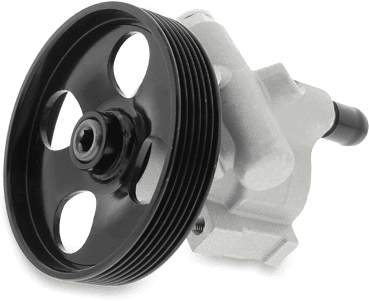
ENERGY PW6705 Power steering pumpPressure [bar]: 80; Operating Mode: hydraulic; Material: Aluminium; Valve Type: Pressure Limiting Valve; Pulleys: without belt pulley; Rotation Direction: Clockwise rotation; Number of inlets/outlets: 1; Pump Type: Vane Pump; Weight [kg]: 2,14; Always compare old and new part (in particular OE No.):145,99 £*Shipping: 1,99 £Secure redirect to the provider


-
What is the difference between deontology and duty ethics?
Deontology is a broader ethical theory that focuses on the moral principles and rules that guide our actions, while duty ethics is a specific form of deontology that emphasizes the importance of fulfilling one's duties and obligations. Deontology considers the morality of an action based on whether it follows certain rules or principles, while duty ethics specifically emphasizes the importance of fulfilling one's duties and responsibilities, regardless of the consequences. In other words, while deontology looks at the morality of actions based on principles, duty ethics places a strong emphasis on fulfilling one's specific duties and obligations. **
-
What are the differences and similarities between eudaimonia and deontology?
Eudaimonia and deontology are both ethical theories, but they differ in their approach. Eudaimonia, often associated with Aristotle, focuses on the concept of human flourishing and living a virtuous life to achieve happiness. Deontology, on the other hand, is a moral theory that emphasizes the importance of following rules and duties to determine what is right or wrong, regardless of the consequences. Both theories aim to guide individuals in making ethical decisions, but eudaimonia is more focused on the overall well-being and character development of a person, while deontology is more concerned with the principles and duties that should be followed in moral decision-making. **
-
What is energy efficiency?
Energy efficiency refers to using less energy to perform the same task or function, ultimately reducing energy waste and lowering energy costs. This can be achieved through various methods such as using energy-efficient appliances, improving insulation in buildings, and implementing energy-saving practices in industrial processes. Energy efficiency is an important aspect of sustainable development and can help reduce greenhouse gas emissions and mitigate the impact of climate change. By improving energy efficiency, we can conserve natural resources and create a more sustainable and environmentally friendly energy system. **
-
Can someone give me an example where I have to decide whether it is utilitarianism or deontology?
Sure! Let's say you are a doctor and you have a patient who needs a life-saving medication. However, the medication is extremely expensive and the patient cannot afford it. In this situation, you have to decide whether to prioritize the patient's well-being (utilitarianism) by providing the medication regardless of cost, or to adhere to the principle of fairness and justice (deontology) by following the hospital's policy on financial constraints and not providing the medication. This dilemma forces you to consider the consequences of your actions on the patient's well-being (utilitarianism) versus the moral duty to follow rules and principles (deontology). **
How can the energy efficiency of a PC power supply be improved?
The energy efficiency of a PC power supply can be improved by choosing a power supply unit (PSU) with a higher efficiency rating, such as 80 Plus Bronze, Silver, Gold, or Platinum. These ratings indicate how efficiently the PSU converts AC power from the wall outlet to DC power for the computer components. Additionally, selecting a PSU with the appropriate wattage for your system's needs can help improve efficiency, as running a PSU at or near its maximum capacity can decrease efficiency. Finally, keeping the PSU and computer components clean and well-maintained can also help improve energy efficiency by reducing heat buildup and ensuring optimal performance. **
Can you give me a physics problem on power, energy, and efficiency?
Sure! Here's a physics problem for you: A car engine has an efficiency of 25% and produces 200 horsepower of power. If the car is traveling at a constant speed of 60 miles per hour, calculate the energy consumption of the car in kilowatt-hours for a 2-hour journey. **
Top-Angebote
Products related to Deontology:
-
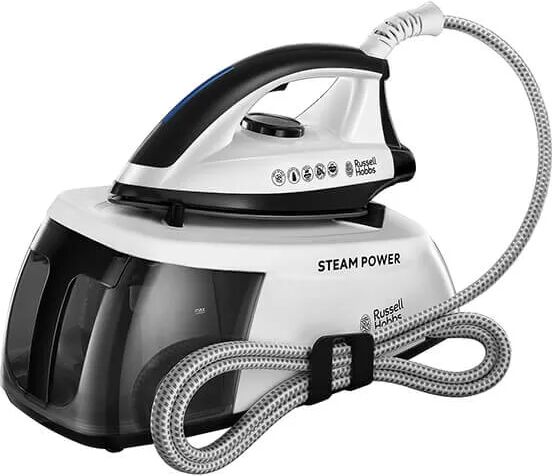
Russell Hobbs Steam Power Steam Generator in BlackRussell Hobbs Steam Power Steam Generator in Black lets you effortlessly speed through large laundry piles in no time. The special calc cleaning system is designed to filter and purify the water as it goes into the tank keeping it clean and as good as new. The iron features a stainless steel non-stick soleplate for a smooth and easy glide through wrinkles and creases. Combined with the impressive 90g steam output it can handle most fabrics that need a little moisture to smooth out tough creases. The steam generator heats up in a speedy 1 minute and provides a 4.5 bar of pressure. The Russell Hobbs Steam Power Steam Generator in Black comes complete with a 2 years manufacturers guarantee.65,95 £*Shipping: 0,00 £Secure redirect to the provider
-
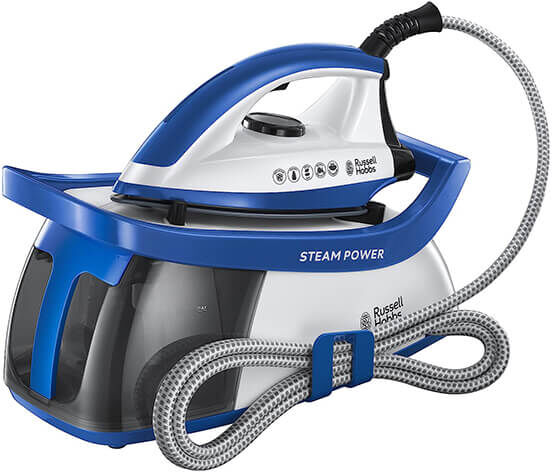
Russell Hobbs Steam Power Steam Generator in BlueRussell Hobbs Steam Power Steam Generator in blue lets you effortlessly speed through large laundry piles in no time. The special calc cleaning system is designed to filter and purify the water as it goes into the tank keeping it clean and as good as new. The iron features a durable ceramic soleplate for a smooth and easy glide through wrinkles and creases. Combined with the impressive 100g steam output it can handle most fabrics that need a little moisture to smooth out tough creases. The steam generator heats up in a speedy 1 minute and provides a 4.5 bar of pressure. There is a cord tidy and a place to store the plug for tidy and convenient storage when it is not in use. The Russell Hobbs Steam Power Steam Generator in blue comes complete with a 2 years manufacturers guarantee.84,95 £*Shipping: 0,00 £Secure redirect to the provider
-
ENERGY G10010 Fuel pumpVoltage [V]: 12; Fitting Position: in the fuel tank; Diameter: 39; Operating Mode: Electric; Fuel Type: Diesel; Flow rate [l/h]: 160; Supplementary Article / Supplementary Info Info 2: with filter; Weight [kg]: 0,39; Diameter 1 [mm]: 8; Diameter 2 [mm]: 22; Operating Pressure [bar]: 2; Number of inlets/outlets: 1/1; Length 1 [mm]: 80; Length 2 [mm]: 127; Always compare old and new part (in particular OE No.): ; Construction Year to: 06/2001, 11/2002, 08/2002, 11/2004; Construction Year from: 06/2000, 07/200026,99 £*Shipping: 8,45 £Secure redirect to the provider
-
ENERGY G10066 Fuel pumpVoltage [V]: 12; Fitting Position: in the fuel tank; Diameter: 43; Operating Mode: Electric; Fuel Type: Petrol; Flow rate [l/h]: 120; Injection System: Multi Point Injection (MPI); Supplementary Article / Supplementary Info Info 2: with filter; Weight [kg]: 0,56; Diameter 1 [mm]: 8; Diameter 2 [mm]: 12; Operating Pressure [bar]: 3; Number of inlets/outlets: 1/1; Length 1 [mm]: 97; Length 2 [mm]: 147; Always compare old and new part (in particular OE No.): ; Vehicle Identification Number (VIN) from: P1000001, S1008893, K1000099, 11000001; Construction Year to: 02/1992, 12/1989, 02/1998, 08/2000, 12/1995, 12/1987, 06/2000, 03/1994, 08/1999, 01/2004; Construction Year from: 01/1988, 09/2000, 09/1989, 09/1994; Vehicle Identification Number (VIN) to: Y3010332, X1093313, X1166419, X1167719, Y2042870; TecDoc Engine Number: 5284, 4820, 15850; not for engine code: Z 14 XE; not for TECDOC engine number: 14923, 1304828,99 £*Shipping: 8,45 £Secure redirect to the provider
-
What is deontology?
Deontology is an ethical theory that focuses on the moral duties and obligations that individuals have. It emphasizes the importance of following rules and principles in making ethical decisions, rather than focusing on the consequences of those decisions. Deontologists believe that certain actions are inherently right or wrong, regardless of the outcomes they produce. This ethical framework is often associated with philosophers like Immanuel Kant, who argued that moral actions should be guided by principles such as the categorical imperative. **
-
What are the differences between utilitarianism and deontology?
Utilitarianism is a consequentialist ethical theory that focuses on the outcomes or consequences of actions. It emphasizes maximizing overall happiness or well-being for the greatest number of people. On the other hand, deontology is a non-consequentialist ethical theory that emphasizes the inherent rightness or wrongness of actions, regardless of their consequences. Deontology is based on the idea of duty and adherence to moral rules or principles, such as honesty or respect for human dignity. While utilitarianism prioritizes the greatest good for the greatest number, deontology prioritizes the moral principles and duties that guide our actions. **
-
What is the difference between deontology and duty ethics?
Deontology is a broader ethical theory that focuses on the moral principles and rules that guide our actions, while duty ethics is a specific form of deontology that emphasizes the importance of fulfilling one's duties and obligations. Deontology considers the morality of an action based on whether it follows certain rules or principles, while duty ethics specifically emphasizes the importance of fulfilling one's duties and responsibilities, regardless of the consequences. In other words, while deontology looks at the morality of actions based on principles, duty ethics places a strong emphasis on fulfilling one's specific duties and obligations. **
-
What are the differences and similarities between eudaimonia and deontology?
Eudaimonia and deontology are both ethical theories, but they differ in their approach. Eudaimonia, often associated with Aristotle, focuses on the concept of human flourishing and living a virtuous life to achieve happiness. Deontology, on the other hand, is a moral theory that emphasizes the importance of following rules and duties to determine what is right or wrong, regardless of the consequences. Both theories aim to guide individuals in making ethical decisions, but eudaimonia is more focused on the overall well-being and character development of a person, while deontology is more concerned with the principles and duties that should be followed in moral decision-making. **
Similar search terms for Deontology
-
ENERGY KP00001 Fuel capMaterial: Plastic; Lock System: with lock, with two keys; Lockable: Lockable; TecDoc Engine Number: 224, 3994, 4140, 4963, 4989, 4979, 4011, 4980, 4975, 11354, 3942, 9384, 3576, 12513, 5532, 3574, 12515, 18752, 13775, 241, 13776, 13929, 13949, 4199, 15335, 13950, 12848, 15611, 9451, 9450, 4988, 13930, 13931, 9516, 4197, 13932, 5536, 9893, 3915, 5528, 5527, 5531, 5534, 5535, 15496, 5533, 15488, 15490, 15489, 9453, 13771, 13772, 12028, 13954, 13928, 9688; Comfort Equipment Variant (trim package): for vehicles without central locking5,99 £*Shipping: 8,45 £Secure redirect to the provider
-
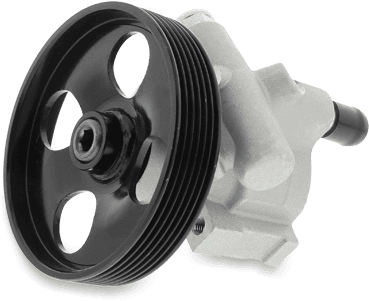
ENERGY PW6705 Power steering pumpPressure [bar]: 80; Operating Mode: hydraulic; Material: Aluminium; Valve Type: Pressure Limiting Valve; Pulleys: without belt pulley; Rotation Direction: Clockwise rotation; Number of inlets/outlets: 1; Pump Type: Vane Pump; Weight [kg]: 2,14; Always compare old and new part (in particular OE No.):145,99 £*Shipping: 1,99 £Secure redirect to the provider
-
ENERGY PW680197 Power steering pumpPressure [bar]: 100; Operating Mode: hydraulic; Material: Aluminium; Valve Type: Pressure Limiting Valve; Pulleys: without belt pulley; Rotation Direction: Clockwise rotation; Number of inlets/outlets: 1; Pump Type: Vane Pump; Mounting Points Distance [mm]: 39,5; Weight [kg]: 1,72; Operating Pressure [bar]: 100; Flow rate [l/h]: 80; Always compare old and new part (in particular OE No.): ; Construction Year from: 10/1995, 09/1995105,99 £*Shipping: 8,45 £Secure redirect to the provider
-
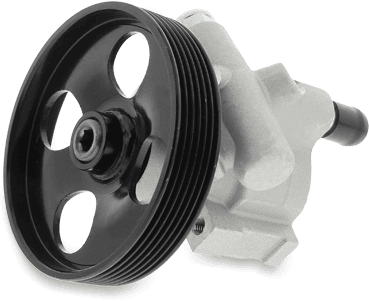
ENERGY PW680377 Power steering pumpPressure [bar]: 100; Operating Mode: hydraulic; Material: Aluminium; Valve Type: Pressure Limiting Valve; Belt Pulley Ø [mm]: 114; Pulleys: with belt pulley; Supplementary Article / Supplementary Info: with reservoir; Rotation Direction: Clockwise rotation; Number of inlets/outlets: 1; Pump Type: Vane Pump; Number of grooves: 6; Mounting Points Distance [mm]: 105; Weight [kg]: 2,54; Operating Pressure [bar]: 100; Flow rate [l/h]: 60; Always compare old and new part (in particular OE No.): ; Construction Year from: 11/2002; Construction Year to: 08/2000120,99 £*Shipping: 8,45 £Secure redirect to the provider
-
What is energy efficiency?
Energy efficiency refers to using less energy to perform the same task or function, ultimately reducing energy waste and lowering energy costs. This can be achieved through various methods such as using energy-efficient appliances, improving insulation in buildings, and implementing energy-saving practices in industrial processes. Energy efficiency is an important aspect of sustainable development and can help reduce greenhouse gas emissions and mitigate the impact of climate change. By improving energy efficiency, we can conserve natural resources and create a more sustainable and environmentally friendly energy system. **
-
Can someone give me an example where I have to decide whether it is utilitarianism or deontology?
Sure! Let's say you are a doctor and you have a patient who needs a life-saving medication. However, the medication is extremely expensive and the patient cannot afford it. In this situation, you have to decide whether to prioritize the patient's well-being (utilitarianism) by providing the medication regardless of cost, or to adhere to the principle of fairness and justice (deontology) by following the hospital's policy on financial constraints and not providing the medication. This dilemma forces you to consider the consequences of your actions on the patient's well-being (utilitarianism) versus the moral duty to follow rules and principles (deontology). **
-
How can the energy efficiency of a PC power supply be improved?
The energy efficiency of a PC power supply can be improved by choosing a power supply unit (PSU) with a higher efficiency rating, such as 80 Plus Bronze, Silver, Gold, or Platinum. These ratings indicate how efficiently the PSU converts AC power from the wall outlet to DC power for the computer components. Additionally, selecting a PSU with the appropriate wattage for your system's needs can help improve efficiency, as running a PSU at or near its maximum capacity can decrease efficiency. Finally, keeping the PSU and computer components clean and well-maintained can also help improve energy efficiency by reducing heat buildup and ensuring optimal performance. **
-
Can you give me a physics problem on power, energy, and efficiency?
Sure! Here's a physics problem for you: A car engine has an efficiency of 25% and produces 200 horsepower of power. If the car is traveling at a constant speed of 60 miles per hour, calculate the energy consumption of the car in kilowatt-hours for a 2-hour journey. **
* All prices are inclusive of VAT and, if applicable, plus shipping costs. The offer information is based on the details provided by the respective shop and is updated through automated processes. Real-time updates do not occur, so deviations can occur in individual cases. ** Note: Parts of this content were created by AI.