Buy bhkw.eu ?
We are moving the project
bhkw.eu .
Are you interested in purchasing the domain
bhkw.eu ?
domain@kv-gmbh.de · 0541-91531010
Buy bhkw.eu ?
Does every car have an intercooler?
No, not every car has an intercooler. Intercoolers are typically found in turbocharged or supercharged vehicles, where they are used to cool the compressed air before it enters the engine. Naturally aspirated engines, which do not use forced induction, do not require an intercooler. Additionally, some older or lower-performance turbocharged vehicles may not be equipped with an intercooler. **
What does a large intercooler really bring?
A large intercooler brings improved cooling efficiency to the engine's intake air, resulting in increased power and performance. By reducing the temperature of the compressed air from the turbocharger, a large intercooler allows for a denser air charge to enter the engine, leading to more efficient combustion and higher horsepower output. Additionally, a large intercooler can help prevent heat soak and reduce the risk of engine knock, ultimately contributing to better overall engine reliability and longevity. **

Similar search terms for HIGHWAY-AUTOMOTIVE-20031944-Intercooler
Top-Angebote
Products related to HIGHWAY-AUTOMOTIVE-20031944-Intercooler:
-
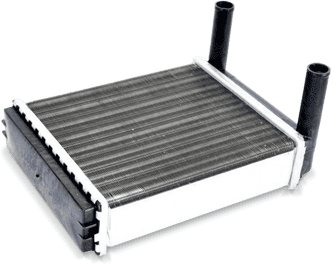
HIGHWAY AUTOMOTIVE 50033016 Heater matrixCore Length [mm]: 162; Core Width [mm]: 269; Core Depth [mm]: 26; Cooling Fin Material: Aluminium; Water Tank Material (radiator): Aluminium; Radiator type: Brazed cooling fins; Inlet Diameter [mm]: 12; Outlet Diameter [mm]: 12; Supplementary Article / Supplementary Info: with pipe104,99 £*Shipping: 8,45 £Secure redirect to the provider
-
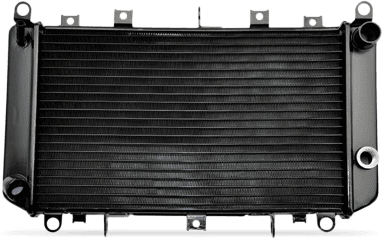
HIGHWAY AUTOMOTIVE 10153001 Engine radiatorCore Length [mm]: 400; Core Width [mm]: 408; Core Depth [mm]: 56; Cooling Fin Material: Aluminium; Water Tank Material (radiator): Aluminium; Radiator type: Brazed cooling fins; Inlet Diameter [mm]: 32; Outlet Diameter [mm]: 32; Supplementary Article / Supplementary Info Info 2: with frame228,99 £*Shipping: 1,99 £Secure redirect to the provider


-
How do stricter environmental regulations requiring higher fuel efficiency affect the automotive industry?
Stricter environmental regulations requiring higher fuel efficiency in the automotive industry can have both positive and negative impacts. On one hand, it can drive innovation and the development of more fuel-efficient technologies, leading to cleaner vehicles and reduced emissions. However, it can also increase production costs for automakers, potentially leading to higher prices for consumers. Additionally, it may require significant investments in research and development to meet these regulations, which could impact the profitability of some companies. **
-
How do you drive fuel-efficiently on the highway?
To drive fuel-efficiently on the highway, you can start by maintaining a steady speed and avoiding sudden acceleration or braking. Using cruise control can also help to maintain a consistent speed and reduce fuel consumption. Additionally, keeping your vehicle well-maintained, such as properly inflated tires and regular oil changes, can improve fuel efficiency. Finally, reducing wind resistance by closing windows and removing roof racks when not in use can also help to save fuel. **
-
"Save fuel on the highway or in the city?"
Saving fuel on the highway is generally more efficient than in the city. This is because driving at a steady speed on the highway allows the engine to operate at its most efficient level, while frequent stops and starts in city driving can waste fuel. Additionally, highways often have higher speed limits, so driving at a consistent speed can improve fuel economy. However, factors such as traffic, road conditions, and driving habits can also impact fuel efficiency in both settings. **
-
Which route is more fuel-efficient: highway or country road?
The fuel efficiency of a route depends on various factors such as speed, traffic, and terrain. Generally, highway driving at a consistent speed can be more fuel-efficient than driving on country roads with frequent stops and starts. However, if the country road has less traffic and lower speed limits, it may also be fuel-efficient. It's important to consider the specific conditions of each route to determine which one is more fuel-efficient. **


Have you ever run out of fuel on the highway?
As an AI language model, I do not have personal experiences. However, running out of fuel on the highway can be a stressful and inconvenient situation. It is important to always keep an eye on the fuel gauge and plan ahead for refueling to avoid such situations. If you do find yourself running out of fuel, it is important to safely pull over to the side of the road and call for assistance. **
Which highway is your favorite highway and why?
My favorite highway is the Pacific Coast Highway (California State Route 1) because of its breathtaking views of the Pacific Ocean and the rugged coastline. The scenic drive offers stunning vistas, beautiful beaches, and opportunities to see wildlife such as sea lions and whales. The highway also passes through charming coastal towns and offers access to iconic landmarks like the Golden Gate Bridge and Big Sur. Overall, the Pacific Coast Highway provides a truly unforgettable driving experience. **
Top-Angebote
Products related to HIGHWAY-AUTOMOTIVE-20031944-Intercooler:
-
HIGHWAY AUTOMOTIVE 50033016 Heater matrixCore Length [mm]: 162; Core Width [mm]: 269; Core Depth [mm]: 26; Cooling Fin Material: Aluminium; Water Tank Material (radiator): Aluminium; Radiator type: Brazed cooling fins; Inlet Diameter [mm]: 12; Outlet Diameter [mm]: 12; Supplementary Article / Supplementary Info: with pipe104,99 £*Shipping: 8,45 £Secure redirect to the provider
-
Does every car have an intercooler?
No, not every car has an intercooler. Intercoolers are typically found in turbocharged or supercharged vehicles, where they are used to cool the compressed air before it enters the engine. Naturally aspirated engines, which do not use forced induction, do not require an intercooler. Additionally, some older or lower-performance turbocharged vehicles may not be equipped with an intercooler. **
-
What does a large intercooler really bring?
A large intercooler brings improved cooling efficiency to the engine's intake air, resulting in increased power and performance. By reducing the temperature of the compressed air from the turbocharger, a large intercooler allows for a denser air charge to enter the engine, leading to more efficient combustion and higher horsepower output. Additionally, a large intercooler can help prevent heat soak and reduce the risk of engine knock, ultimately contributing to better overall engine reliability and longevity. **
-
How do stricter environmental regulations requiring higher fuel efficiency affect the automotive industry?
Stricter environmental regulations requiring higher fuel efficiency in the automotive industry can have both positive and negative impacts. On one hand, it can drive innovation and the development of more fuel-efficient technologies, leading to cleaner vehicles and reduced emissions. However, it can also increase production costs for automakers, potentially leading to higher prices for consumers. Additionally, it may require significant investments in research and development to meet these regulations, which could impact the profitability of some companies. **
-
How do you drive fuel-efficiently on the highway?
To drive fuel-efficiently on the highway, you can start by maintaining a steady speed and avoiding sudden acceleration or braking. Using cruise control can also help to maintain a consistent speed and reduce fuel consumption. Additionally, keeping your vehicle well-maintained, such as properly inflated tires and regular oil changes, can improve fuel efficiency. Finally, reducing wind resistance by closing windows and removing roof racks when not in use can also help to save fuel. **
Similar search terms for HIGHWAY-AUTOMOTIVE-20031944-Intercooler
-
HIGHWAY AUTOMOTIVE 10153001 Engine radiatorCore Length [mm]: 400; Core Width [mm]: 408; Core Depth [mm]: 56; Cooling Fin Material: Aluminium; Water Tank Material (radiator): Aluminium; Radiator type: Brazed cooling fins; Inlet Diameter [mm]: 32; Outlet Diameter [mm]: 32; Supplementary Article / Supplementary Info Info 2: with frame228,99 £*Shipping: 1,99 £Secure redirect to the provider
-
"Save fuel on the highway or in the city?"
Saving fuel on the highway is generally more efficient than in the city. This is because driving at a steady speed on the highway allows the engine to operate at its most efficient level, while frequent stops and starts in city driving can waste fuel. Additionally, highways often have higher speed limits, so driving at a consistent speed can improve fuel economy. However, factors such as traffic, road conditions, and driving habits can also impact fuel efficiency in both settings. **
-
Which route is more fuel-efficient: highway or country road?
The fuel efficiency of a route depends on various factors such as speed, traffic, and terrain. Generally, highway driving at a consistent speed can be more fuel-efficient than driving on country roads with frequent stops and starts. However, if the country road has less traffic and lower speed limits, it may also be fuel-efficient. It's important to consider the specific conditions of each route to determine which one is more fuel-efficient. **
-
Have you ever run out of fuel on the highway?
As an AI language model, I do not have personal experiences. However, running out of fuel on the highway can be a stressful and inconvenient situation. It is important to always keep an eye on the fuel gauge and plan ahead for refueling to avoid such situations. If you do find yourself running out of fuel, it is important to safely pull over to the side of the road and call for assistance. **
-
Which highway is your favorite highway and why?
My favorite highway is the Pacific Coast Highway (California State Route 1) because of its breathtaking views of the Pacific Ocean and the rugged coastline. The scenic drive offers stunning vistas, beautiful beaches, and opportunities to see wildlife such as sea lions and whales. The highway also passes through charming coastal towns and offers access to iconic landmarks like the Golden Gate Bridge and Big Sur. Overall, the Pacific Coast Highway provides a truly unforgettable driving experience. **
* All prices are inclusive of VAT and, if applicable, plus shipping costs. The offer information is based on the details provided by the respective shop and is updated through automated processes. Real-time updates do not occur, so deviations can occur in individual cases. ** Note: Parts of this content were created by AI.