Buy bhkw.eu ?
We are moving the project
bhkw.eu .
Are you interested in purchasing the domain
bhkw.eu ?
domain@kv-gmbh.de · 0541-91531010
Buy bhkw.eu ?
What is the phase in an inverter power generator?
The phase in an inverter power generator refers to the number of output voltage waveforms it produces. In a single-phase generator, there is one output voltage waveform, while in a three-phase generator, there are three output voltage waveforms. The phase of the generator determines the type of electrical loads it can power and its overall efficiency in converting mechanical energy into electrical power. **
What is a generator without an inverter?
A generator without an inverter is a device that produces electrical power but does not convert it into a form that is suitable for most electronic devices. Inverters are necessary to convert the direct current (DC) output of a generator into alternating current (AC) that is used by most household appliances and electronics. Without an inverter, the power generated by the generator may not be compatible with the devices you want to power, making it less versatile and practical for everyday use. **


Similar search terms for Inverter
Top-Angebote
Products related to Inverter:


-
Do you absolutely need an inverter generator?
It depends on your specific needs and circumstances. Inverter generators are generally more fuel efficient, quieter, and produce cleaner power, making them ideal for sensitive electronics and recreational activities such as camping. However, if you don't require these features and are primarily using the generator for heavy-duty power needs, a conventional generator may be sufficient. Consider your power requirements, noise tolerance, and the devices you'll be using with the generator to determine if an inverter generator is necessary for your situation. **
-
How does a power inverter work?
A power inverter works by converting direct current (DC) electricity from a battery or solar panel into alternating current (AC) electricity, which is the type of electricity used in most household appliances and electronics. This conversion process involves using electronic components such as transistors and capacitors to change the voltage and frequency of the electricity. The inverter then delivers the AC electricity to the connected devices, allowing them to operate as if they were plugged into a standard wall outlet. In essence, a power inverter enables the use of DC power sources to operate AC-powered devices. **
-
How can a generator be converted into an inverter?
A generator can be converted into an inverter by adding an inverter module to the generator system. The inverter module will convert the direct current (DC) output from the generator into alternating current (AC) power, which is suitable for powering electronic devices. This conversion process allows the generator to provide clean and stable power similar to what an inverter would produce. It is important to ensure that the inverter module is compatible with the generator's power output to avoid any damage to the devices being powered. **
-
How much power does an inverter draw?
The power draw of an inverter depends on its size and the amount of load it is powering. Generally, smaller inverters (under 1000 watts) draw around 10-20 watts of power when idle, and larger inverters (over 1000 watts) can draw 20-40 watts or more. When actively powering a load, the power draw will increase based on the size of the load. It's important to consider the efficiency of the inverter as well, as higher efficiency inverters will draw less power overall. **


How do I connect an inverter generator to a boiler?
To connect an inverter generator to a boiler, you will need to use a transfer switch or a generator interlock kit to safely connect the generator to your home's electrical system. Make sure to follow the manufacturer's instructions for both the generator and the boiler to ensure proper installation and operation. It is recommended to consult with a licensed electrician or HVAC technician to ensure the setup is done correctly and safely. **
How do I connect a 500W inverter to a generator?
To connect a 500W inverter to a generator, you will need to first ensure that the generator is turned off and disconnected from any power source. Then, connect the positive and negative terminals of the inverter to the corresponding terminals on the generator using appropriate gauge cables. Make sure to follow the manufacturer's instructions for both the generator and the inverter to ensure proper and safe connection. Once connected, you can start the generator and turn on the inverter to power your desired devices. **
Top-Angebote
Products related to Inverter:
-
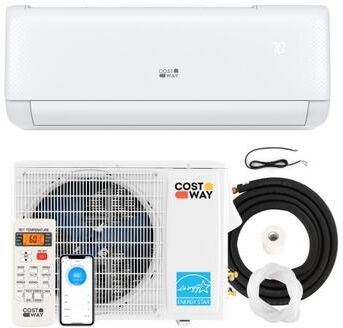
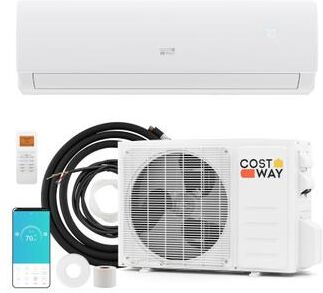
Garvee 12000 BTU Mini Split Air Conditioner Cooling Heating Energy Star CertifiedSmart InverterHigh-Efficiency 12,000 BTU Mini Split Air Conditioner:Cover rooms up to 750 sq.ft with powerful temperature control. The 22 SEER2 efficiency rating – higher than standard units – reduces energy use by up to 30% compared to conventional systems.755,99 $*Shipping: 0,00 $Secure redirect to the provider
-
What is the phase in an inverter power generator?
The phase in an inverter power generator refers to the number of output voltage waveforms it produces. In a single-phase generator, there is one output voltage waveform, while in a three-phase generator, there are three output voltage waveforms. The phase of the generator determines the type of electrical loads it can power and its overall efficiency in converting mechanical energy into electrical power. **
-
What is a generator without an inverter?
A generator without an inverter is a device that produces electrical power but does not convert it into a form that is suitable for most electronic devices. Inverters are necessary to convert the direct current (DC) output of a generator into alternating current (AC) that is used by most household appliances and electronics. Without an inverter, the power generated by the generator may not be compatible with the devices you want to power, making it less versatile and practical for everyday use. **
-
Do you absolutely need an inverter generator?
It depends on your specific needs and circumstances. Inverter generators are generally more fuel efficient, quieter, and produce cleaner power, making them ideal for sensitive electronics and recreational activities such as camping. However, if you don't require these features and are primarily using the generator for heavy-duty power needs, a conventional generator may be sufficient. Consider your power requirements, noise tolerance, and the devices you'll be using with the generator to determine if an inverter generator is necessary for your situation. **
-
How does a power inverter work?
A power inverter works by converting direct current (DC) electricity from a battery or solar panel into alternating current (AC) electricity, which is the type of electricity used in most household appliances and electronics. This conversion process involves using electronic components such as transistors and capacitors to change the voltage and frequency of the electricity. The inverter then delivers the AC electricity to the connected devices, allowing them to operate as if they were plugged into a standard wall outlet. In essence, a power inverter enables the use of DC power sources to operate AC-powered devices. **
Similar search terms for Inverter
-
HOMCOM 12000 BTU Mini Split Air Conditioner and Heat Pump, 22 SEER2 115V Energy Efficient Ductless Inverter AC, 750 Sq.Ft,Descriptions:Stay cozy all year with this mini split AC and heat pump, delivering 12,000 BTU cooling and 12,000 BTU heating for spaces up to 750 sq. ft.529,99 $*Shipping: 0,00 $Secure redirect to the provider
-
9000BTU Inverter Air Conditioner & Heater Wall AC Unit w/ InstallationStruggling with summer heatwaves or winter chills? Our 9,000 BTU split AC tackles both, cooling or heating rooms up to 450 sq. ft with a 19 SEER2 and 8.6 HSPF2 rating that slashes energy use.575,99 $*Shipping: 0,00 $Secure redirect to the provider
-
How can a generator be converted into an inverter?
A generator can be converted into an inverter by adding an inverter module to the generator system. The inverter module will convert the direct current (DC) output from the generator into alternating current (AC) power, which is suitable for powering electronic devices. This conversion process allows the generator to provide clean and stable power similar to what an inverter would produce. It is important to ensure that the inverter module is compatible with the generator's power output to avoid any damage to the devices being powered. **
-
How much power does an inverter draw?
The power draw of an inverter depends on its size and the amount of load it is powering. Generally, smaller inverters (under 1000 watts) draw around 10-20 watts of power when idle, and larger inverters (over 1000 watts) can draw 20-40 watts or more. When actively powering a load, the power draw will increase based on the size of the load. It's important to consider the efficiency of the inverter as well, as higher efficiency inverters will draw less power overall. **
-
How do I connect an inverter generator to a boiler?
To connect an inverter generator to a boiler, you will need to use a transfer switch or a generator interlock kit to safely connect the generator to your home's electrical system. Make sure to follow the manufacturer's instructions for both the generator and the boiler to ensure proper installation and operation. It is recommended to consult with a licensed electrician or HVAC technician to ensure the setup is done correctly and safely. **
-
How do I connect a 500W inverter to a generator?
To connect a 500W inverter to a generator, you will need to first ensure that the generator is turned off and disconnected from any power source. Then, connect the positive and negative terminals of the inverter to the corresponding terminals on the generator using appropriate gauge cables. Make sure to follow the manufacturer's instructions for both the generator and the inverter to ensure proper and safe connection. Once connected, you can start the generator and turn on the inverter to power your desired devices. **
* All prices are inclusive of VAT and, if applicable, plus shipping costs. The offer information is based on the details provided by the respective shop and is updated through automated processes. Real-time updates do not occur, so deviations can occur in individual cases. ** Note: Parts of this content were created by AI.