Buy bhkw.eu ?
We are moving the project
bhkw.eu .
Are you interested in purchasing the domain
bhkw.eu ?
domain@kv-gmbh.de · 0541-91531010
Buy bhkw.eu ?
Which USB port does the HyperX Cloud Flight 2 have?
The HyperX Cloud Flight 2 has a USB-C port for charging and connectivity. This modern port allows for faster charging and data transfer speeds compared to traditional USB ports. It also provides a more secure and stable connection for a reliable gaming experience. **
Why doesn't the USB port work on the HyperX Cloud 2?
The USB port on the HyperX Cloud 2 may not work due to several reasons, such as a faulty USB port, a damaged cable, or issues with the device it is connected to. It is also possible that the USB drivers are not properly installed or updated on the computer. Troubleshooting steps like trying a different USB port, using a different cable, or updating the drivers can help identify and resolve the issue with the USB port on the HyperX Cloud 2. **


Similar search terms for NEWlink-NLUSB2-200-2-Port-USB
Top-Angebote
Products related to NEWlink-NLUSB2-200-2-Port-USB:
-
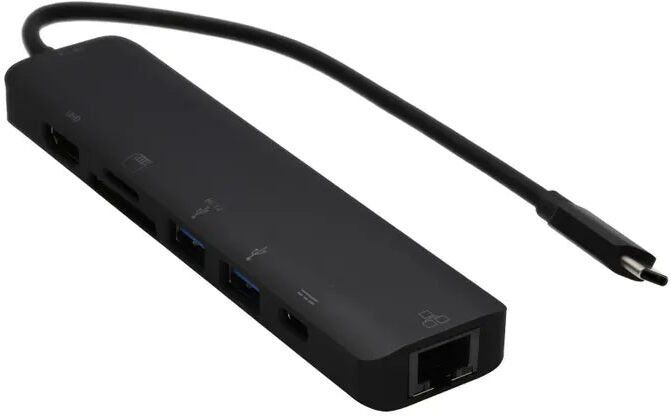
NEWlink 7-Port USB Type-C Hub Adapter Docking Station with Gigabit LANThe NEWlink 7-Port USB Type-C Hub Adapter Docking Station is the perfect all-in-one connectivity solution for laptops, tablets, and other USB-C devices. Designed for professionals and everyday users, it transforms a single USB-C port into a powerful workstation — adding multiple USB ports, high-speed Gigabit Ethernet, and seamless data transfer capabilities. Ideal for home offices, remote setups, and on-the-go productivity, this compact hub combines versatility, performance, and reliability in one sleek device. 7-in-1 multiport hub expands your USB-C port into a complete docking solution for data, networking, and peripherals. Includes Gigabit Ethernet (RJ45) port for stable, high-speed wired internet connections — ideal for video calls, gaming, or large file transfers. Multiple USB-A ports (typically 3× USB 3.0 + 2× USB 2.0) provide fast data syncing and compatibility with keyboards, mice, storage drives, and more. USB-C passthrough power delivery (PD) supports up to 100W charging, allowing you to power your laptop while using the hub. Plug and play – no drivers or setup required; instantly compatible with macOS, Windows, ChromeOS, and Linux systems. Compact, lightweight aluminium design ensures excellent durability and easy portability. Supports high-speed data transfer rates of up to 5Gbps via USB 3.0 ports. LED indicator provides visual status for connection activity. Backward compatible with USB 2.0/1.1 devices. Ideal for modern laptops including MacBook Pro, MacBook Air, Surface, Dell XPS, Lenovo ThinkPad, HP, and more. The NEWlink 7-Port USB Type-C Hub Adapter Docking Station offers everything you need to stay connected and productive — whether you’re in the office, at home, or travelling. Specification Details Model NEWlink 7-Port USB Type-C Hub Adapter Docking Station Connection Interface USB Type-C Ports 7 Total (Multiple USB-A, 1× Gigabit LAN, 1× USB-C PD) Ethernet Gigabit RJ45 (10/100/1000 Mbps) Data Transfer Speed Up to 5Gbps (USB 3.0) Power Delivery Up to 100W USB-C PD Material Aluminium / ABS Housing Compatibility macOS, Windows, Linux, ChromeOS Plug & Play Yes Dimensions (L×W×H) Approx. 110 × 45 × 15 mm Weight Approx. 80 g Colour Grey / Silver EAN/Barcode 505578124770528,99 £*Shipping: 0,00 £Secure redirect to the provider


-
How can I connect an old USB port to a regular USB port?
You can connect an old USB port to a regular USB port by using an adapter or a converter. There are various types of adapters available, such as USB-A to USB-C or USB-A to micro-USB, which can help you connect older USB devices to newer USB ports. Additionally, you can use a USB hub, which allows you to connect multiple USB devices to a single USB port on your computer. These solutions can help you bridge the gap between old and new USB ports and ensure compatibility with your devices. **
-
What is a USB port?
A USB port, or Universal Serial Bus port, is a standard interface used to connect various devices to a computer. It allows for the transfer of data and power between the computer and the connected device. USB ports are commonly found on computers, laptops, and other electronic devices, and they come in different shapes and sizes, such as USB-A, USB-B, and USB-C. These ports are widely used for connecting devices such as external hard drives, keyboards, mice, printers, and smartphones to a computer. **
-
What causes a power surge at USB port 3?
A power surge at USB port 3 can be caused by various factors such as a sudden increase in voltage from the power source, a faulty USB device connected to the port, or a short circuit within the port itself. Additionally, power surges can also occur due to issues with the computer's power supply or motherboard. It is important to address the root cause of the power surge to prevent damage to the USB port and connected devices. **
-
Why is the USB port not providing power anymore?
There could be several reasons why the USB port is not providing power anymore. It could be due to a hardware issue such as a damaged or faulty USB port, a loose connection, or a short circuit. It could also be a software issue, such as a driver problem or a setting that needs to be adjusted. Additionally, the device that is being connected to the USB port may be drawing too much power, causing the port to shut down for safety reasons. Troubleshooting the issue by checking the hardware, connections, and device power requirements can help determine the cause of the problem. **


What causes a power surge at USB port 4?
A power surge at USB port 4 can be caused by a variety of factors, including a sudden increase in voltage from the power source, a malfunctioning device connected to the port, or a short circuit within the port itself. Additionally, power surges can also be caused by electrical issues within the building or fluctuations in the power grid. It is important to investigate the specific circumstances surrounding the power surge at USB port 4 in order to determine the exact cause and prevent future occurrences. **
What causes a power surge on USB port 3?
A power surge on USB port 3 can be caused by various factors such as a sudden increase in voltage from the power source, a faulty USB device connected to the port, or a short circuit within the port itself. Additionally, power surges can also occur due to issues with the computer's power supply or motherboard. It is important to address the root cause of the power surge to prevent damage to the USB port and connected devices. **
Top-Angebote
Products related to NEWlink-NLUSB2-200-2-Port-USB:
-
NEWlink 4-Port USB VGA KVM Switch with Audio (NLKVM-100/4)The NEWlink NLKVM-100/4 is a 4-port USB KVM switch that lets you control four computers from one USB keyboard, one USB mouse and one VGA monitor. It is operating-system independent (Windows, macOS and Linux; the bundled software is Windows only) and can be switched by keyboard hotkeys or the front-panel push buttons. Features: maximum resolution 2048 x 1536; auto-scan; speaker and microphone ports for shared audio.62,99 £*Shipping: 0,00 £Secure redirect to the provider
-
NEWlink 7-Port USB Type-C Hub Adapter Docking Station with Gigabit LANThe NEWlink 7-Port USB Type-C Hub Adapter Docking Station is the perfect all-in-one connectivity solution for laptops, tablets, and other USB-C devices. Designed for professionals and everyday users, it transforms a single USB-C port into a powerful workstation — adding multiple USB ports, high-speed Gigabit Ethernet, and seamless data transfer capabilities. Ideal for home offices, remote setups, and on-the-go productivity, this compact hub combines versatility, performance, and reliability in one sleek device. 7-in-1 multiport hub expands your USB-C port into a complete docking solution for data, networking, and peripherals. Includes Gigabit Ethernet (RJ45) port for stable, high-speed wired internet connections — ideal for video calls, gaming, or large file transfers. Multiple USB-A ports (typically 3× USB 3.0 + 2× USB 2.0) provide fast data syncing and compatibility with keyboards, mice, storage drives, and more. USB-C passthrough power delivery (PD) supports up to 100W charging, allowing you to power your laptop while using the hub. Plug and play – no drivers or setup required; instantly compatible with macOS, Windows, ChromeOS, and Linux systems. Compact, lightweight aluminium design ensures excellent durability and easy portability. Supports high-speed data transfer rates of up to 5Gbps via USB 3.0 ports. LED indicator provides visual status for connection activity. Backward compatible with USB 2.0/1.1 devices. Ideal for modern laptops including MacBook Pro, MacBook Air, Surface, Dell XPS, Lenovo ThinkPad, HP, and more. The NEWlink 7-Port USB Type-C Hub Adapter Docking Station offers everything you need to stay connected and productive — whether you’re in the office, at home, or travelling. Specification Details Model NEWlink 7-Port USB Type-C Hub Adapter Docking Station Connection Interface USB Type-C Ports 7 Total (Multiple USB-A, 1× Gigabit LAN, 1× USB-C PD) Ethernet Gigabit RJ45 (10/100/1000 Mbps) Data Transfer Speed Up to 5Gbps (USB 3.0) Power Delivery Up to 100W USB-C PD Material Aluminium / ABS Housing Compatibility macOS, Windows, Linux, ChromeOS Plug & Play Yes Dimensions (L×W×H) Approx. 110 × 45 × 15 mm Weight Approx. 80 g Colour Grey / Silver EAN/Barcode 505578124770528,99 £*Shipping: 0,00 £Secure redirect to the provider
-
Which USB port does the HyperX Cloud Flight 2 have?
The HyperX Cloud Flight 2 has a USB-C port for charging and connectivity. This modern port allows for faster charging and data transfer speeds compared to traditional USB ports. It also provides a more secure and stable connection for a reliable gaming experience. **
-
Why doesn't the USB port work on the HyperX Cloud 2?
The USB port on the HyperX Cloud 2 may not work due to several reasons, such as a faulty USB port, a damaged cable, or issues with the device it is connected to. It is also possible that the USB drivers are not properly installed or updated on the computer. Troubleshooting steps like trying a different USB port, using a different cable, or updating the drivers can help identify and resolve the issue with the USB port on the HyperX Cloud 2. **
-
How can I connect an old USB port to a regular USB port?
You can connect an old USB port to a regular USB port by using an adapter or a converter. There are various types of adapters available, such as USB-A to USB-C or USB-A to micro-USB, which can help you connect older USB devices to newer USB ports. Additionally, you can use a USB hub, which allows you to connect multiple USB devices to a single USB port on your computer. These solutions can help you bridge the gap between old and new USB ports and ensure compatibility with your devices. **
-
What is a USB port?
A USB port, or Universal Serial Bus port, is a standard interface used to connect various devices to a computer. It allows for the transfer of data and power between the computer and the connected device. USB ports are commonly found on computers, laptops, and other electronic devices, and they come in different shapes and sizes, such as USB-A, USB-B, and USB-C. These ports are widely used for connecting devices such as external hard drives, keyboards, mice, printers, and smartphones to a computer. **
Similar search terms for NEWlink-NLUSB2-200-2-Port-USB
-
NEWlink USB Single LED Flexi Light (NLUSB-LIGHTS)A single-LED reading light on a flexible metal neck that plugs straight into a USB port, for lighting the keyboard of a laptop or desktop. Powered by the USB port; no batteries or drivers needed.9,99 £*Shipping: 0,00 £Secure redirect to the provider
-
What causes a power surge at USB port 3?
A power surge at USB port 3 can be caused by various factors such as a sudden increase in voltage from the power source, a faulty USB device connected to the port, or a short circuit within the port itself. Additionally, power surges can also occur due to issues with the computer's power supply or motherboard. It is important to address the root cause of the power surge to prevent damage to the USB port and connected devices. **
-
Why is the USB port not providing power anymore?
There could be several reasons why the USB port is not providing power anymore. It could be due to a hardware issue such as a damaged or faulty USB port, a loose connection, or a short circuit. It could also be a software issue, such as a driver problem or a setting that needs to be adjusted. Additionally, the device that is being connected to the USB port may be drawing too much power, causing the port to shut down for safety reasons. Troubleshooting the issue by checking the hardware, connections, and device power requirements can help determine the cause of the problem. **
-
What causes a power surge at USB port 4?
A power surge at USB port 4 can be caused by a variety of factors, including a sudden increase in voltage from the power source, a malfunctioning device connected to the port, or a short circuit within the port itself. Additionally, power surges can also be caused by electrical issues within the building or fluctuations in the power grid. It is important to investigate the specific circumstances surrounding the power surge at USB port 4 in order to determine the exact cause and prevent future occurrences. **
-
What causes a power surge on USB port 3?
A power surge on USB port 3 can be caused by various factors such as a sudden increase in voltage from the power source, a faulty USB device connected to the port, or a short circuit within the port itself. Additionally, power surges can also occur due to issues with the computer's power supply or motherboard. It is important to address the root cause of the power surge to prevent damage to the USB port and connected devices. **
* All prices are inclusive of VAT and, if applicable, plus shipping costs. The offer information is based on the details provided by the respective shop and is updated through automated processes. Real-time updates do not occur, so deviations can occur in individual cases. ** Note: Parts of this content were created by AI.