Buy bhkw.eu ?
We are moving the project
bhkw.eu .
Are you interested in purchasing the domain
bhkw.eu ?
domain@kv-gmbh.de · 0541-91531010
Buy bhkw.eu ?
'Unicellular species'
Unicellular species are organisms that consist of only a single cell. These organisms carry out all of the necessary functions for life within this single cell, including obtaining nutrients, reproducing, and responding to their environment. Examples of unicellular species include bacteria, archaea, and protists. Despite being simple in structure, unicellular species can be highly diverse and have adapted to thrive in a wide range of environments. **
Unicellular species
Unicellular species are organisms that consist of a single cell, as opposed to multicellular organisms that are made up of multiple cells. These single-celled organisms can carry out all the necessary functions for life within that one cell, including obtaining nutrients, reproducing, and responding to their environment. Examples of unicellular species include bacteria, archaea, protists, and some types of algae. Despite their simple structure, unicellular species play important roles in various ecosystems and can have significant impacts on the environment. **
Similar search terms for Unicellular
Top-Angebote
Products related to Unicellular:
-
ENERGY G10010 Fuel pumpVoltage [V]: 12; Fitting Position: in the fuel tank; Diameter: 39; Operating Mode: Electric; Fuel Type: Diesel; Flow rate [l/h]: 160; Supplementary Article / Supplementary Info Info 2: with filter; Weight [kg]: 0,39; Diameter 1 [mm]: 8; Diameter 2 [mm]: 22; Operating Pressure [bar]: 2; Number of inlets/outlets: 1/1; Length 1 [mm]: 80; Length 2 [mm]: 127; Always compare old and new part (in particular OE No.): ; Construction Year to: 06/2001, 11/2002, 08/2002, 11/2004; Construction Year from: 06/2000, 07/200026,99 £*Shipping: 8,45 £Secure redirect to the provider
-
ENERGY G10066 Fuel pumpVoltage [V]: 12; Fitting Position: in the fuel tank; Diameter: 43; Operating Mode: Electric; Fuel Type: Petrol; Flow rate [l/h]: 120; Injection System: Multi Point Injection (MPI); Supplementary Article / Supplementary Info Info 2: with filter; Weight [kg]: 0,56; Diameter 1 [mm]: 8; Diameter 2 [mm]: 12; Operating Pressure [bar]: 3; Number of inlets/outlets: 1/1; Length 1 [mm]: 97; Length 2 [mm]: 147; Always compare old and new part (in particular OE No.): ; Vehicle Identification Number (VIN) from: P1000001, S1008893, K1000099, 11000001; Construction Year to: 02/1992, 12/1989, 02/1998, 08/2000, 12/1995, 12/1987, 06/2000, 03/1994, 08/1999, 01/2004; Construction Year from: 01/1988, 09/2000, 09/1989, 09/1994; Vehicle Identification Number (VIN) to: Y3010332, X1093313, X1166419, X1167719, Y2042870; TecDoc Engine Number: 5284, 4820, 15850; not for engine code: Z 14 XE; not for TECDOC engine number: 14923, 1304828,99 £*Shipping: 8,45 £Secure redirect to the provider
-
ENERGY KP00001 Fuel capMaterial: Plastic; Lock System: with lock, with two keys; Lockable: Lockable; TecDoc Engine Number: 224, 3994, 4140, 4963, 4989, 4979, 4011, 4980, 4975, 11354, 3942, 9384, 3576, 12513, 5532, 3574, 12515, 18752, 13775, 241, 13776, 13929, 13949, 4199, 15335, 13950, 12848, 15611, 9451, 9450, 4988, 13930, 13931, 9516, 4197, 13932, 5536, 9893, 3915, 5528, 5527, 5531, 5534, 5535, 15496, 5533, 15488, 15490, 15489, 9453, 13771, 13772, 12028, 13954, 13928, 9688; Comfort Equipment Variant (trim package): for vehicles without central locking5,99 £*Shipping: 8,45 £Secure redirect to the provider
-
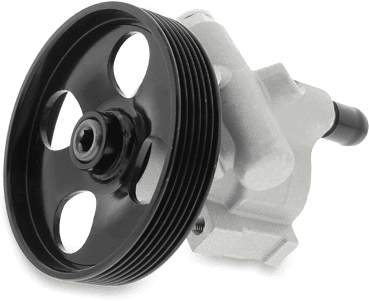
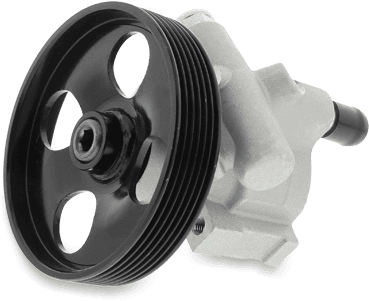
ENERGY PW6705 Power steering pumpPressure [bar]: 80; Operating Mode: hydraulic; Material: Aluminium; Valve Type: Pressure Limiting Valve; Pulleys: without belt pulley; Rotation Direction: Clockwise rotation; Number of inlets/outlets: 1; Pump Type: Vane Pump; Weight [kg]: 2,14; Always compare old and new part (in particular OE No.):145,99 £*Shipping: 1,99 £Secure redirect to the provider


-
Are plants unicellular or multicellular?
Plants are multicellular organisms. **
-
What are eukaryotic unicellular organisms?
Eukaryotic unicellular organisms are single-celled organisms that have a true nucleus enclosed within a membrane. They belong to the domain Eukarya and can be found in various environments such as water, soil, and even inside other organisms. Examples of eukaryotic unicellular organisms include protists like amoebas, paramecia, and algae. These organisms can carry out all the necessary functions for life within a single cell. **
-
What are unicellular and multicellular organisms?
Unicellular organisms are living things that are made up of only one cell. This means that all of their life processes, such as obtaining nutrients, reproducing, and responding to their environment, occur within a single cell. Examples of unicellular organisms include bacteria, protozoa, and some types of algae. On the other hand, multicellular organisms are made up of more than one cell. These cells are specialized to perform different functions within the organism, such as muscle cells for movement, nerve cells for communication, and skin cells for protection. Multicellular organisms include plants, animals, and fungi. The cells in multicellular organisms work together to support the overall function and survival of the organism. **
-
What were the non-organic first living organisms - unicellular organisms, if we consider paramecia and amoebas as the first unicellular organisms?
The non-organic first living organisms were likely simple organic molecules that formed through chemical reactions in the early Earth's environment. These molecules eventually combined to form the first unicellular organisms, such as paramecia and amoebas. These unicellular organisms were likely the result of a gradual process of chemical evolution, where simple organic molecules organized themselves into more complex structures capable of exhibiting life-like properties. This process eventually led to the emergence of the first living organisms on Earth. **
What are the differences between unicellular and multicellular organisms?
Unicellular organisms are made up of a single cell, while multicellular organisms are made up of multiple cells. Unicellular organisms carry out all life processes within a single cell, while multicellular organisms have specialized cells that perform specific functions. Multicellular organisms have a higher level of organization and complexity compared to unicellular organisms. Additionally, multicellular organisms have a division of labor among cells, allowing for more efficient functioning and larger size. **
How did the unicellular organism evolve into a multicellular organism?
The evolution of unicellular organisms into multicellular organisms is believed to have occurred through a process called coloniality. Initially, unicellular organisms formed colonies where individual cells worked together for survival. Over time, some cells within these colonies specialized in specific functions, leading to the development of multicellular organisms with different cell types. This specialization allowed for more complex structures and functions, ultimately leading to the evolution of multicellular organisms. **
Top-Angebote
Products related to Unicellular:
-
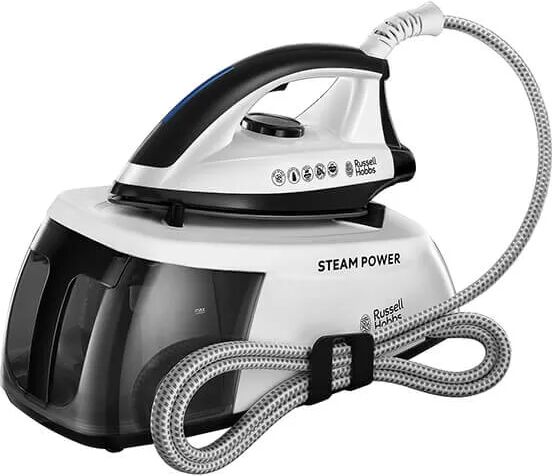
Russell Hobbs Steam Power Steam Generator in BlackRussell Hobbs Steam Power Steam Generator in Black lets you effortlessly speed through large laundry piles in no time. The special calc cleaning system is designed to filter and purify the water as it goes into the tank keeping it clean and as good as new. The iron features a stainless steel non-stick soleplate for a smooth and easy glide through wrinkles and creases. Combined with the impressive 90g steam output it can handle most fabrics that need a little moisture to smooth out tough creases. The steam generator heats up in a speedy 1 minute and provides a 4.5 bar of pressure. The Russell Hobbs Steam Power Steam Generator in Black comes complete with a 2 years manufacturers guarantee.65,95 £*Shipping: 0,00 £Secure redirect to the provider
-
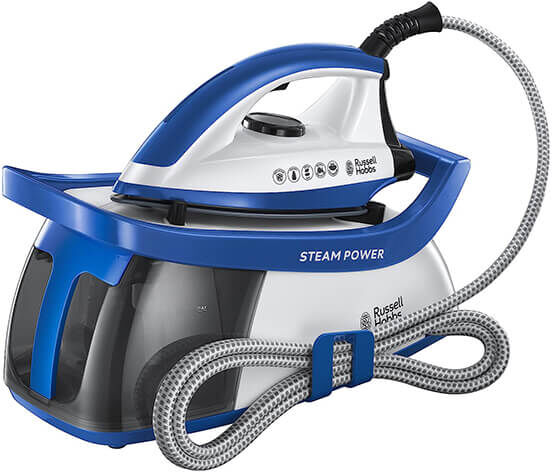
Russell Hobbs Steam Power Steam Generator in BlueRussell Hobbs Steam Power Steam Generator in blue lets you effortlessly speed through large laundry piles in no time. The special calc cleaning system is designed to filter and purify the water as it goes into the tank keeping it clean and as good as new. The iron features a durable ceramic soleplate for a smooth and easy glide through wrinkles and creases. Combined with the impressive 100g steam output it can handle most fabrics that need a little moisture to smooth out tough creases. The steam generator heats up in a speedy 1 minute and provides a 4.5 bar of pressure. There is a cord tidy and a place to store the plug for tidy and convenient storage when it is not in use. The Russell Hobbs Steam Power Steam Generator in blue comes complete with a 2 years manufacturers guarantee.84,95 £*Shipping: 0,00 £Secure redirect to the provider
-
ENERGY G10010 Fuel pumpVoltage [V]: 12; Fitting Position: in the fuel tank; Diameter: 39; Operating Mode: Electric; Fuel Type: Diesel; Flow rate [l/h]: 160; Supplementary Article / Supplementary Info Info 2: with filter; Weight [kg]: 0,39; Diameter 1 [mm]: 8; Diameter 2 [mm]: 22; Operating Pressure [bar]: 2; Number of inlets/outlets: 1/1; Length 1 [mm]: 80; Length 2 [mm]: 127; Always compare old and new part (in particular OE No.): ; Construction Year to: 06/2001, 11/2002, 08/2002, 11/2004; Construction Year from: 06/2000, 07/200026,99 £*Shipping: 8,45 £Secure redirect to the provider
-
ENERGY G10066 Fuel pumpVoltage [V]: 12; Fitting Position: in the fuel tank; Diameter: 43; Operating Mode: Electric; Fuel Type: Petrol; Flow rate [l/h]: 120; Injection System: Multi Point Injection (MPI); Supplementary Article / Supplementary Info Info 2: with filter; Weight [kg]: 0,56; Diameter 1 [mm]: 8; Diameter 2 [mm]: 12; Operating Pressure [bar]: 3; Number of inlets/outlets: 1/1; Length 1 [mm]: 97; Length 2 [mm]: 147; Always compare old and new part (in particular OE No.): ; Vehicle Identification Number (VIN) from: P1000001, S1008893, K1000099, 11000001; Construction Year to: 02/1992, 12/1989, 02/1998, 08/2000, 12/1995, 12/1987, 06/2000, 03/1994, 08/1999, 01/2004; Construction Year from: 01/1988, 09/2000, 09/1989, 09/1994; Vehicle Identification Number (VIN) to: Y3010332, X1093313, X1166419, X1167719, Y2042870; TecDoc Engine Number: 5284, 4820, 15850; not for engine code: Z 14 XE; not for TECDOC engine number: 14923, 1304828,99 £*Shipping: 8,45 £Secure redirect to the provider
-
'Unicellular species'
Unicellular species are organisms that consist of only a single cell. These organisms carry out all of the necessary functions for life within this single cell, including obtaining nutrients, reproducing, and responding to their environment. Examples of unicellular species include bacteria, archaea, and protists. Despite being simple in structure, unicellular species can be highly diverse and have adapted to thrive in a wide range of environments. **
-
Unicellular species
Unicellular species are organisms that consist of a single cell, as opposed to multicellular organisms that are made up of multiple cells. These single-celled organisms can carry out all the necessary functions for life within that one cell, including obtaining nutrients, reproducing, and responding to their environment. Examples of unicellular species include bacteria, archaea, protists, and some types of algae. Despite their simple structure, unicellular species play important roles in various ecosystems and can have significant impacts on the environment. **
-
Are plants unicellular or multicellular?
Plants are multicellular organisms. **
-
What are eukaryotic unicellular organisms?
Eukaryotic unicellular organisms are single-celled organisms that have a true nucleus enclosed within a membrane. They belong to the domain Eukarya and can be found in various environments such as water, soil, and even inside other organisms. Examples of eukaryotic unicellular organisms include protists like amoebas, paramecia, and algae. These organisms can carry out all the necessary functions for life within a single cell. **
Similar search terms for Unicellular
-
ENERGY KP00001 Fuel capMaterial: Plastic; Lock System: with lock, with two keys; Lockable: Lockable; TecDoc Engine Number: 224, 3994, 4140, 4963, 4989, 4979, 4011, 4980, 4975, 11354, 3942, 9384, 3576, 12513, 5532, 3574, 12515, 18752, 13775, 241, 13776, 13929, 13949, 4199, 15335, 13950, 12848, 15611, 9451, 9450, 4988, 13930, 13931, 9516, 4197, 13932, 5536, 9893, 3915, 5528, 5527, 5531, 5534, 5535, 15496, 5533, 15488, 15490, 15489, 9453, 13771, 13772, 12028, 13954, 13928, 9688; Comfort Equipment Variant (trim package): for vehicles without central locking5,99 £*Shipping: 8,45 £Secure redirect to the provider
-
ENERGY PW6705 Power steering pumpPressure [bar]: 80; Operating Mode: hydraulic; Material: Aluminium; Valve Type: Pressure Limiting Valve; Pulleys: without belt pulley; Rotation Direction: Clockwise rotation; Number of inlets/outlets: 1; Pump Type: Vane Pump; Weight [kg]: 2,14; Always compare old and new part (in particular OE No.):145,99 £*Shipping: 1,99 £Secure redirect to the provider
-
ENERGY PW680197 Power steering pumpPressure [bar]: 100; Operating Mode: hydraulic; Material: Aluminium; Valve Type: Pressure Limiting Valve; Pulleys: without belt pulley; Rotation Direction: Clockwise rotation; Number of inlets/outlets: 1; Pump Type: Vane Pump; Mounting Points Distance [mm]: 39,5; Weight [kg]: 1,72; Operating Pressure [bar]: 100; Flow rate [l/h]: 80; Always compare old and new part (in particular OE No.): ; Construction Year from: 10/1995, 09/1995105,99 £*Shipping: 8,45 £Secure redirect to the provider
-
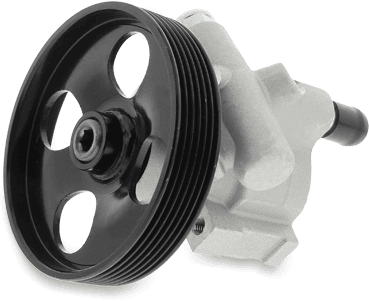
ENERGY PW680377 Power steering pumpPressure [bar]: 100; Operating Mode: hydraulic; Material: Aluminium; Valve Type: Pressure Limiting Valve; Belt Pulley Ø [mm]: 114; Pulleys: with belt pulley; Supplementary Article / Supplementary Info: with reservoir; Rotation Direction: Clockwise rotation; Number of inlets/outlets: 1; Pump Type: Vane Pump; Number of grooves: 6; Mounting Points Distance [mm]: 105; Weight [kg]: 2,54; Operating Pressure [bar]: 100; Flow rate [l/h]: 60; Always compare old and new part (in particular OE No.): ; Construction Year from: 11/2002; Construction Year to: 08/2000120,99 £*Shipping: 8,45 £Secure redirect to the provider
-
What are unicellular and multicellular organisms?
Unicellular organisms are living things that are made up of only one cell. This means that all of their life processes, such as obtaining nutrients, reproducing, and responding to their environment, occur within a single cell. Examples of unicellular organisms include bacteria, protozoa, and some types of algae. On the other hand, multicellular organisms are made up of more than one cell. These cells are specialized to perform different functions within the organism, such as muscle cells for movement, nerve cells for communication, and skin cells for protection. Multicellular organisms include plants, animals, and fungi. The cells in multicellular organisms work together to support the overall function and survival of the organism. **
-
What were the non-organic first living organisms - unicellular organisms, if we consider paramecia and amoebas as the first unicellular organisms?
The non-organic first living organisms were likely simple organic molecules that formed through chemical reactions in the early Earth's environment. These molecules eventually combined to form the first unicellular organisms, such as paramecia and amoebas. These unicellular organisms were likely the result of a gradual process of chemical evolution, where simple organic molecules organized themselves into more complex structures capable of exhibiting life-like properties. This process eventually led to the emergence of the first living organisms on Earth. **
-
What are the differences between unicellular and multicellular organisms?
Unicellular organisms are made up of a single cell, while multicellular organisms are made up of multiple cells. Unicellular organisms carry out all life processes within a single cell, while multicellular organisms have specialized cells that perform specific functions. Multicellular organisms have a higher level of organization and complexity compared to unicellular organisms. Additionally, multicellular organisms have a division of labor among cells, allowing for more efficient functioning and larger size. **
-
How did the unicellular organism evolve into a multicellular organism?
The evolution of unicellular organisms into multicellular organisms is believed to have occurred through a process called coloniality. Initially, unicellular organisms formed colonies where individual cells worked together for survival. Over time, some cells within these colonies specialized in specific functions, leading to the development of multicellular organisms with different cell types. This specialization allowed for more complex structures and functions, ultimately leading to the evolution of multicellular organisms. **
* All prices are inclusive of VAT and, if applicable, plus shipping costs. The offer information is based on the details provided by the respective shop and is updated through automated processes. Real-time updates do not occur, so deviations can occur in individual cases. ** Note: Parts of this content were created by AI.