Buy bhkw.eu ?
We are moving the project
bhkw.eu .
Are you interested in purchasing the domain
bhkw.eu ?
domain@kv-gmbh.de · 0541-91531010
Buy bhkw.eu ?
What is energy efficiency?
Energy efficiency refers to using less energy to perform the same task or function, ultimately reducing energy waste and lowering energy costs. This can be achieved through various methods such as using energy-efficient appliances, improving insulation in buildings, and implementing energy-saving practices in industrial processes. Energy efficiency is an important aspect of sustainable development and can help reduce greenhouse gas emissions and mitigate the impact of climate change. By improving energy efficiency, we can conserve natural resources and create a more sustainable and environmentally friendly energy system. **
What is a pint?
A pint is a unit of volume measurement commonly used to measure liquids. In the United States, a pint is equal to 16 fluid ounces, while in the United Kingdom, it is equal to 20 fluid ounces. Pints are often used to measure beverages such as beer, milk, and water, and are also used as a serving size in bars and restaurants. **

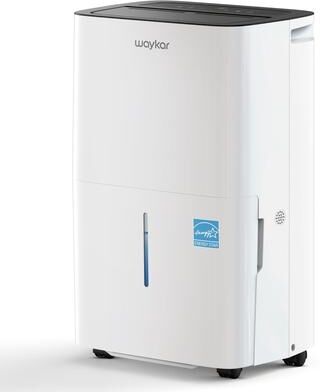
Similar search terms for Waykar-80-Pint-Energy
Top-Angebote
Products related to Waykar-80-Pint-Energy:
-
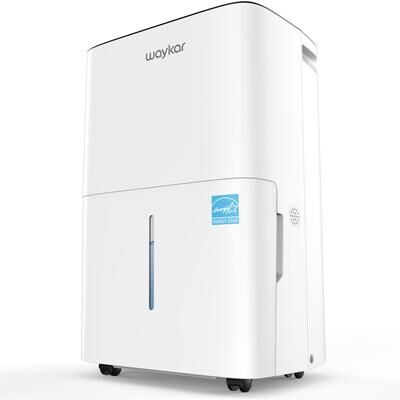
Waykar Energy Star 120 Pint Dehumidifier-Up to 6,500 Sq. FtPowerful Moisture Removal & Wide Coverage: Removes up to 120 pints of moisture per day, making it ideal for efficiently managing humidity in homes, offices, and large basements up to 6,500 sq. ft.228,59 $*Shipping: 0,00 $Secure redirect to the provider

-
What is the energy conversion and efficiency of geothermal energy?
Geothermal energy is the conversion of heat from within the Earth into electricity. This heat is used to generate steam, which then drives turbines connected to generators to produce electricity. The efficiency of geothermal energy conversion is relatively high, typically around 10-23%, which is comparable to other renewable energy sources such as wind and solar. This high efficiency makes geothermal energy a reliable and sustainable source of power. **
-
What is the energy efficiency class?
The energy efficiency class is a rating system that indicates how energy-efficient a product is. It is usually displayed as a letter ranging from A+++ (most efficient) to D (least efficient). This rating helps consumers make informed decisions about the energy consumption of a product, allowing them to choose more environmentally friendly options that can help reduce energy costs and minimize their carbon footprint. **
-
Is energy efficiency class G acceptable?
Energy efficiency class G is the lowest rating on the energy efficiency scale, indicating that the appliance is the least efficient in terms of energy consumption. While it may be acceptable in certain situations, such as for appliances that are used infrequently or for short periods of time, it is generally not recommended for everyday use. Choosing a higher energy efficiency class, such as A or B, can help reduce energy consumption and save on utility costs in the long run. **
-
How can energy efficiency be improved?
Energy efficiency can be improved through various measures such as upgrading to energy-efficient appliances, improving insulation in buildings, using energy-efficient lighting, and implementing smart energy management systems. Additionally, promoting energy conservation behaviors such as turning off lights and unplugging electronics when not in use can also contribute to improved energy efficiency. Investing in renewable energy sources such as solar and wind power can further reduce the overall energy consumption and improve efficiency. Finally, government policies and incentives can play a crucial role in promoting energy efficiency by encouraging businesses and individuals to adopt energy-saving practices. **

What are energy efficiency classes 2?
Energy efficiency classes 2 refer to the second tier of energy efficiency ratings for appliances and products. These classes indicate that the product is more energy efficient than lower classes, resulting in lower energy consumption and cost savings for the user. Energy efficiency classes are typically labeled with letters, with A+++ being the most efficient and D being the least efficient. Choosing products with higher energy efficiency classes can help reduce energy consumption and environmental impact. **
How much energy does a refrigerator with energy efficiency class E consume?
A refrigerator with energy efficiency class E consumes a significant amount of energy compared to higher efficiency classes. On average, a refrigerator with class E consumes around 25% more energy than a refrigerator with class A++. This means that it will have higher electricity bills and a greater impact on the environment due to its higher energy consumption. It is recommended to choose a refrigerator with a higher energy efficiency class to save on energy costs and reduce your carbon footprint. **
Top-Angebote
Products related to Waykar-80-Pint-Energy:
-
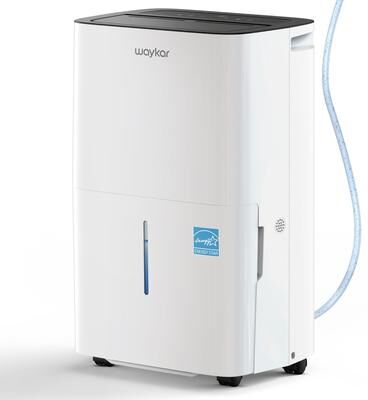
Waykar 80 Pint Energy Star Dehumidifier, up to 5500 Sq.Ft for Room BasementPowerful Dehumidification: Removes up to 80 pints of moisture per day, specially designed for large spaces with a coverage area of up to 5,500 sq. ft.—ideal for large basements and spacious rooms.209,29 $*Shipping: 0,00 $Secure redirect to the provider
-
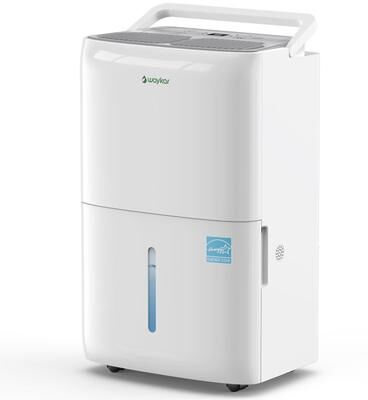
Waykar Energy Star 120 Pint Dehumidifier-Up to 6,500 Sq. FtPowerful Moisture Removal & Wide Coverage: Removes up to 120 pints of moisture per day, making it ideal for efficiently managing humidity in homes, offices, and large basements up to 6,500 sq. ft.228,59 $*Shipping: 0,00 $Secure redirect to the provider
-
What is energy efficiency?
Energy efficiency refers to using less energy to perform the same task or function, ultimately reducing energy waste and lowering energy costs. This can be achieved through various methods such as using energy-efficient appliances, improving insulation in buildings, and implementing energy-saving practices in industrial processes. Energy efficiency is an important aspect of sustainable development and can help reduce greenhouse gas emissions and mitigate the impact of climate change. By improving energy efficiency, we can conserve natural resources and create a more sustainable and environmentally friendly energy system. **
-
What is a pint?
A pint is a unit of volume measurement commonly used to measure liquids. In the United States, a pint is equal to 16 fluid ounces, while in the United Kingdom, it is equal to 20 fluid ounces. Pints are often used to measure beverages such as beer, milk, and water, and are also used as a serving size in bars and restaurants. **
-
What is the energy conversion and efficiency of geothermal energy?
Geothermal energy is the conversion of heat from within the Earth into electricity. This heat is used to generate steam, which then drives turbines connected to generators to produce electricity. The efficiency of geothermal energy conversion is relatively high, typically around 10-23%, which is comparable to other renewable energy sources such as wind and solar. This high efficiency makes geothermal energy a reliable and sustainable source of power. **
-
What is the energy efficiency class?
The energy efficiency class is a rating system that indicates how energy-efficient a product is. It is usually displayed as a letter ranging from A+++ (most efficient) to D (least efficient). This rating helps consumers make informed decisions about the energy consumption of a product, allowing them to choose more environmentally friendly options that can help reduce energy costs and minimize their carbon footprint. **
Similar search terms for Waykar-80-Pint-Energy
-
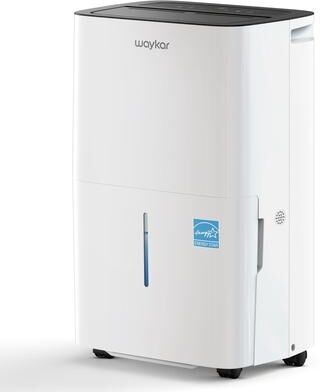
Waykar 150 Pint Energy Star Dehumidifier with Pump, up to 7500 Sq.Ft for Home BasementHigh-Capacity Moisture Removal & Wide Coverage: Extracts up to 150 pints of moisture per day, making it suitable for efficiently managing humidity in large areas up to 7,500 sq. ft.292,59 $*Shipping: 0,00 $Secure redirect to the provider
-
Is energy efficiency class G acceptable?
Energy efficiency class G is the lowest rating on the energy efficiency scale, indicating that the appliance is the least efficient in terms of energy consumption. While it may be acceptable in certain situations, such as for appliances that are used infrequently or for short periods of time, it is generally not recommended for everyday use. Choosing a higher energy efficiency class, such as A or B, can help reduce energy consumption and save on utility costs in the long run. **
-
How can energy efficiency be improved?
Energy efficiency can be improved through various measures such as upgrading to energy-efficient appliances, improving insulation in buildings, using energy-efficient lighting, and implementing smart energy management systems. Additionally, promoting energy conservation behaviors such as turning off lights and unplugging electronics when not in use can also contribute to improved energy efficiency. Investing in renewable energy sources such as solar and wind power can further reduce the overall energy consumption and improve efficiency. Finally, government policies and incentives can play a crucial role in promoting energy efficiency by encouraging businesses and individuals to adopt energy-saving practices. **
-
What are energy efficiency classes 2?
Energy efficiency classes 2 refer to the second tier of energy efficiency ratings for appliances and products. These classes indicate that the product is more energy efficient than lower classes, resulting in lower energy consumption and cost savings for the user. Energy efficiency classes are typically labeled with letters, with A+++ being the most efficient and D being the least efficient. Choosing products with higher energy efficiency classes can help reduce energy consumption and environmental impact. **
-
How much energy does a refrigerator with energy efficiency class E consume?
A refrigerator with energy efficiency class E consumes a significant amount of energy compared to higher efficiency classes. On average, a refrigerator with class E consumes around 25% more energy than a refrigerator with class A++. This means that it will have higher electricity bills and a greater impact on the environment due to its higher energy consumption. It is recommended to choose a refrigerator with a higher energy efficiency class to save on energy costs and reduce your carbon footprint. **
* All prices are inclusive of VAT and, if applicable, plus shipping costs. The offer information is based on the details provided by the respective shop and is updated through automated processes. Real-time updates do not occur, so deviations can occur in individual cases. ** Note: Parts of this content were created by AI.